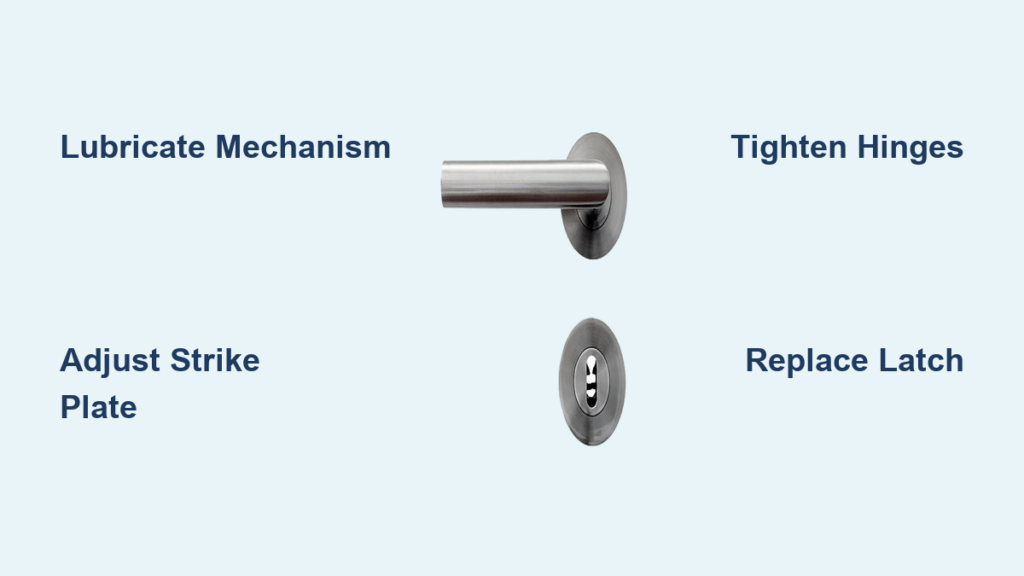
You reach for the doorknob, twist, and nothing happens. No click, no movement, just a stuck handle leaving you trapped inside a room or locked out. A door knob that won’t turn is more than an annoyance. It’s a safety and security issue that demands immediate attention. The good news? Most causes are fixable with basic tools and a few minutes of effort. Whether the problem is a jammed latch, swollen wood, or a broken internal mechanism, this guide gives you proven solutions to get your door working again.
From simple lubrication tricks to emergency workarounds and full replacements, we cover every scenario. You’ll learn how to diagnose the root cause, apply non-destructive fixes first, and know when it’s time to replace the hardware entirely.
Diagnose Why Your Door Knob Won’t Turn
Before grabbing tools, assess what’s really wrong. A doorknob that won’t turn could stem from internal failure, misalignment, or environmental issues. Quick diagnosis saves time and prevents unnecessary damage.
Check If the Knob Turns When the Door Is Open
Open the door and try turning the knob.
• If it turns freely, the issue is likely latch binding or strike plate misalignment.
• If it’s still stiff or frozen, the problem is internal. Broken spindle, seized mechanism, or failed anti-jimmy device are the culprits.
Ask yourself: Is the door locked? Does it have a privacy function like a bathroom lock? Does the door close smoothly, or do you have to force it shut?
Test the Latch Manually
With the door open, turn the knob and release. Hold the latch bolt (the metal tongue) with your fingers and pull gently.
• Latch doesn’t move? It’s likely stuck in the strike plate or jamb.
• Latch moves freely? The internal actuator or spindle is broken.
This simple test tells you whether to focus on alignment or disassembly.
Lubricate a Sticking Door Knob Mechanism
A seized lock or sticky latch often just needs lubrication. This is the fastest, least invasive fix for how to fix door knob that won’t turn.
Choose the Right Lubricant
Use dry graphite spray for keyed locks. It won’t attract dust like oil-based products. Silicone spray works ideal for latches and hinges. WD-40 is fine for rust but avoid long-term use. It gummizes over time and creates more problems.
Apply Lubricant to Key Areas
Spray the lubricant in these spots:
• Keyhole: Insert the straw and spray inside, then work the key.
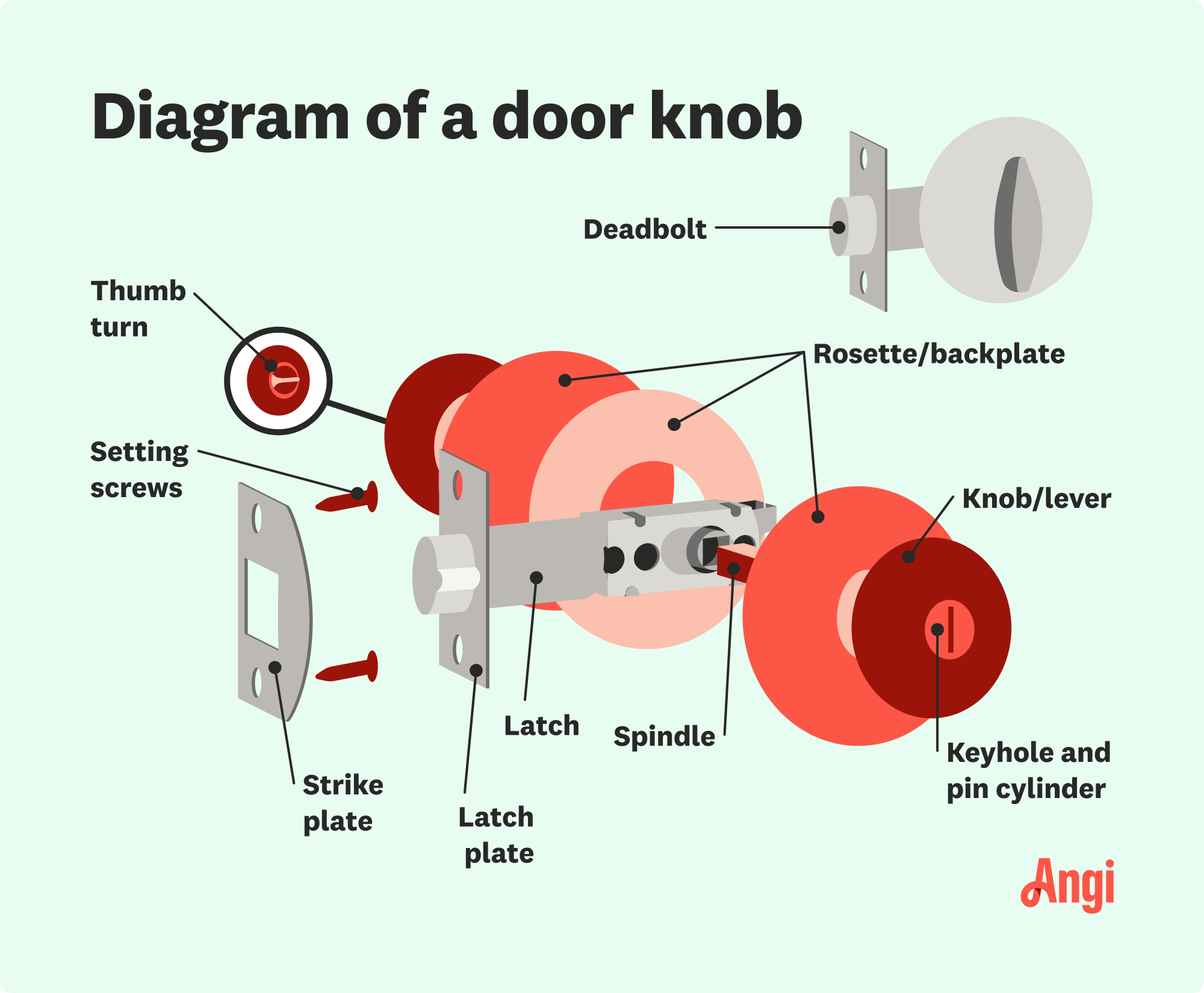
• Spindle area: Between knob and door plate.
• Latch bolt: From the edge of the door.
• Strike plate interface: Where latch meets the jamb.
After spraying, open and close the door several times to distribute the lubricant evenly. If you see rust, scrub it with a wire brush first, then lubricate.
Fix Latch and Strike Plate Misalignment

Most door knob won’t turn problems stem from the latch binding against the door frame. Realignment often solves it in minutes.
Look for Binding Marks
Open the door and inspect the strike plate. Are there scuff marks or dents? Is the latch bolt rubbing on the top, bottom, or side? These signs mean the latch isn’t aligning with the strike plate hole.
Adjust the Strike Plate
Loosen the screws on the strike plate. Reposition it slightly up, down, or inward to allow smooth latch retraction. Tighten and test the door.
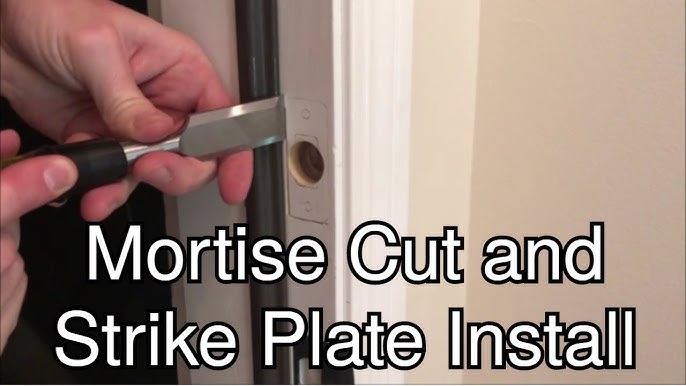
If the latch still drags, chisel out the mortise (the recess in the jamb) for more clearance. Even a 1/16-inch adjustment can make the difference between stuck and smooth.
Tighten Loose Door Hinges
A sagging door binds at the latch, making the knob hard to turn. Loose hinges are a common culprit that gets overlooked.
Inspect All Three Hinges
Check each hinge carefully. Are screws loose or stripped? Does the door drag on the floor or rub the jamb? These are clear signs of hinge problems.
Replace with Longer Screws
Remove the hinge screws and install 3-inch screws instead of the standard 1-inch ones. These reach into the wall framing and stabilize the door properly. Tightening hinges often fixes latch issues without touching the knob at all.
Unlock a Stuck Door Without a Key
If you’re trapped, try these fast, non-destructive methods first. These emergency fixes answer how to fix door knob that won’t turn when you’re stuck inside or outside.
Use a Flathead Screwdriver
For interior access, remove the decorative cap on the knob. Unscrew the set screw underneath and pull off the knob to expose the spindle hole. Insert a flathead screwdriver into the square or half-moon slot and turn to retract the latch.
Try the Plastic Card Trick
For exterior access on inward-opening doors, use a credit card or cut piece of soda bottle. Insert it between door and jamb at latch height. Angle toward the latch and slide down to push the bolt back. Many users report success with this simple method.
Use String or Wire
For inward-opening doors, remove the knob or trim plate first. Thread dental floss or thin wire behind the exposed latch. Pull upward to retract the bolt. This works best after partial disassembly gives you access to the latch body.
Disassemble the Door Knob Assembly
When lubrication and alignment fail, take it apart. This is the solution for how to fix door knob that won’t turn due to internal damage.
Remove the Knob Properly
Locate the set screw on the knob side. It may be hidden under a cap. Use an Allen wrench or screwdriver to remove it. Slide the knob off the spindle, then unscrew the rose plate or trim to expose the latch mechanism.
Inspect Internal Parts
With the knob off, check the spindle. Is it bent or stripped? Look at the actuator rod (center pin). Is it broken or stuck? In Kwikset locks, inspect the C-shaped half-circle shaft. It’s a common failure point. If the latch is frozen, don’t force it with pliers. You may break the mechanism.
Replace the Latch or Door Knob
If parts are broken, replacement is the only reliable fix. Here’s how to fix door knob that won’t turn by installing new components.
Replace Just the Latch
When you can access the edge of the door, unscrew the two screws holding the latch. Slide it out and insert a new latch. Match the size: 2-3/8″ or 2-3/4″ backset. Reattach and test before reassembling the knob.
Replace the Full Knob Set
Do this if the spindle is stripped, the lock cylinder is damaged, or the anti-jimmy device failed. Remove both knobs and trim plates. Pull out the latch assembly and install the new set. Match the cross-bore (2-1/8″) and backset. Reassemble and test thoroughly.
Emergency Methods When All Else Fails
When nothing else works, these last-resort options get you through the door.
Remove the Door from Hinges
Use a hammer and screwdriver to tap out hinge pins. Start from the top and work downward. Support the door as you remove each pin. Some hinges have set screws. Loosen those first before tapping the pin.
Cut the Latch
Use a hacksaw blade or oscillating tool. Insert the blade between door and jamb near the latch. Cut through the latch body. Pull the bolt back with pliers. This destroys the latch but opens the door. Replace it immediately afterward.
Kick the Door (Use Caution)
Apply force near the latch area. A strong kick can break the latch or strike plate free. This is a last resort only. Risk includes damage to the door, frame, or wall. Some users report success: “A good boot at the area to the right of the handle.”
Prevent Future Door Knob Problems
Fixing it once isn’t enough. Prevent recurrence with simple maintenance.
Lubricate Regularly
Apply dry graphite to keyed locks every 6-12 months. Spray latches and hinges with silicone annually. Regular lubrication prevents the most common causes of how to fix door knob that won’t turn.
Check Alignment Monthly
Watch for rubbing or sticking when closing. Adjust the strike plate or plane the door edge if needed. Catching alignment issues early prevents bigger problems.
Upgrade Aging Hardware
Replace knobs and latches every 7-10 years. Use solid brass or stainless steel for exterior doors. A broken knob is a security risk. Replace it promptly.
Tools You Need for Door Knob Repair
Keep these on hand for quick fixes:
• Flathead screwdriver for retracting latch and adjusting strike plate
• Phillips screwdriver for removing screws
• Allen wrench for removing set screws
• Lubricant (graphite or silicone)
• Wire brush for cleaning rust
• Hacksaw blade for cutting seized latch
• Plastic card for bypassing latch
• Hammer and chisel for adjusting strike plate
• Needle-nose pliers for pulling latch plunger
• 3-inch screws for securing loose hinges
Frequently Asked Questions About Fixing a Door Knob That Won’t Turn
Why won’t my door knob turn even when the door is open?
This indicates an internal problem. The spindle, actuator rod, or anti-jimmy device inside the knob is broken or seized. Try lubricating first. If that fails, disassemble the knob and inspect the internal components for damage.
Can I fix a door knob that won’t turn without removing it?
Yes. Start with lubrication. Spray the spindle area, latch bolt, and strike plate interface. Work the knob back and forth to distribute the lubricant. If the door sags, tighten the hinge screws. These non-invasive fixes often solve the problem.
How do I unlock a door when the knob is stuck?
Use a flathead screwdriver on the spindle hole. Remove the decorative cap and set screw to expose the spindle. Insert the screwdriver and turn to retract the latch. For exterior access, try the plastic card method between the door and jamb.
What causes a door knob to stop turning suddenly?
Sudden failure usually comes from a broken internal component. The spindle can strip, the actuator rod can break, or the anti-jimmy device can fracture. Temperature changes and humidity can also cause wood doors to swell and bind the latch.
Should I replace the whole knob or just the latch?
Replace the whole knob set if the spindle is stripped, the lock cylinder is damaged, or the anti-jimmy mechanism failed. If only the latch is stuck or damaged, you can replace just that part. It’s cheaper and faster.
How often should I lubricate my door knobs?
Lubricate keyed locks with dry graphite every 6-12 months. Spray latches and hinges with silicone annually. Regular maintenance prevents most stuck knob problems and extends the life of your hardware.
Key Takeaways for Fixing a Door Knob That Won’t Turn
A door knob that won’t turn is usually fixable without calling a professional. Start with simple solutions first. Lubricate the mechanism, check hinge tightness, and verify strike plate alignment. These non-invasive fixes solve most stuck knob problems in minutes.
When internal components fail, you’ll need to disassemble the knob or replace parts. Keep basic tools on hand so you’re prepared for emergencies. Regular maintenance prevents recurrence. Lubricate annually, check alignment monthly, and replace aging hardware every 7-10 years.
If all else fails and you’re locked out or dealing with a security concern, call a locksmith. Broken door handles compromise your home security. Don’t delay replacement when the hardware is damaged beyond repair.