A loose door knob is more than just an annoyance. It compromises your door’s security, makes operation difficult, and often leads to bigger problems if ignored. The good news? Most loose knob issues take less than 15 minutes to fix with basic tools. In fact, 9 out of 10 loose knob problems stem from simple causes like loose screws or worn setscrews, not broken mechanisms. This guide walks you through diagnosing the exact issue, applying the right fix, and making it last for years.
Diagnose the Type of Looseness
Before grabbing tools, identify what kind of movement you are dealing with. The symptom determines the fix.
Lateral Wobble vs. Rotational Play
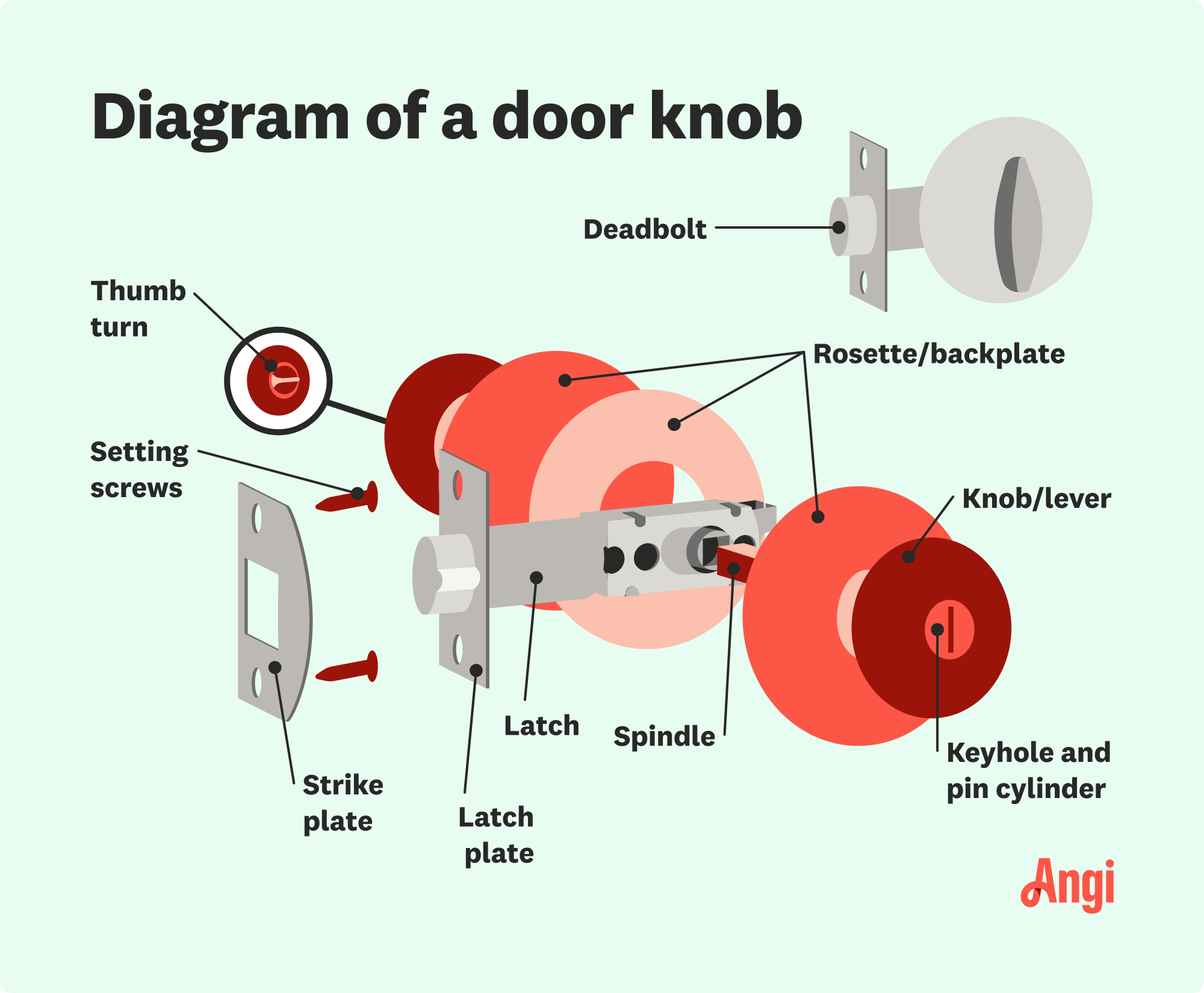
Lateral wobble, or side-to-side jiggle, usually means the internal mounting screws are loose. The entire knob assembly shifts because it is not clamped tightly through the door. Rotational play, where the knob spins on the spindle independently, points to a loose or stripped setscrew. This is the small screw that fastens the knob to the square shaft.
Quick Test for Setscrew Failure
Hold the exterior knob steady while turning the interior one. If one spins independently, the setscrew has failed and needs attention.
Check for Visible Fasteners
Look around the base of the knob. Some models have exposed Phillips or Allen-head screws on the side or shank. Others have a hidden release button, indicated by a tiny hole or dimple on the knob’s side. A threaded rosette unscrews to reveal internal screws.
Remove the Door Knob Safely
Access internal parts by removing the knob without damaging the finish.
Use the Right Release Method
Exposed Setscrew Models
Insert a 3/32″ or 1/8″ Allen wrench into the side hole. Turn counterclockwise to loosen. Slide the knob straight off the spindle. This method works for Schlage and similar brands.
Spring-Loaded Detent
Straighten a paperclip or use a small awl. Press into the tiny hole on the knob’s shank. Pull outward while depressing. The knob should pop off. If it does not release, rotate the knob slightly and try again.
Twist-and-Pull Design
Turn the knob to a 45-degree angle. Pull firmly. It disengages from a slot in the spindle. Repeat for the other side. This method works for Kwikset and similar models.
Remove Both Sides
Always detach both knobs before proceeding. This exposes the spindle and allows full access to the latch mechanism and mounting hardware.
Take Off the Faceplate
The decorative plate hides the real screws holding everything together.
Unscrew or Pry Off the Rosette
Threaded rosettes turn counterclockwise by hand. Use a strap wrench to avoid scratching smooth finishes. Snap-on designs require a flathead screwdriver wrapped in cloth. Insert gently and pry around the edge. Flush-mounted trim rings unscrew like a nut to reveal long mounting screws.
Place removed parts on a soft towel to prevent rolling or scratching.
Tighten the Mounting Screws
This single step fixes most wobbly knobs.
Locate and Secure Internal Screws
These screws pass through the door thickness, connecting both halves of the knob assembly. Use a Phillips screwdriver or manual impact driver for better torque control. Turn clockwise until snug. Do not over-tighten, especially on softwood or MDF doors.
Address Stripped Screw Holes
If screws spin freely, the threads are damaged. Use the toothpick and wood glue fix. Remove the screw. Dip wooden toothpicks or matchsticks in wood glue. Jam them into the hole until full. Snap off flush with the surface. Let dry 2 to 4 hours. Reinsert and tighten the screw.
Fix Spindle and Setscrew Issues

When the knob spins but the spindle does not, the setscrew has failed.
Inspect the Spindle Condition
Remove the knob to expose the square spindle. Look for rounded edges where the setscrew bites. Check for corrosion or pitting. Note any excess length causing axial play.
Tighten or Replace the Setscrew
Use an Allen key to tighten the setscrew fully. If it will not grip, replace it with a longer or thicker screw. Common sizes include #8-32, 10-32, and M3. Apply Loctite Blue 242 before reinstallation.
Repair a Worn Spindle
Drill a new setscrew hole. Rotate the spindle to an undamaged face. Pre-drill with a slightly undersized bit. Tap and install a new setscrew.
Shorten an overlong spindle. Remove the spindle. Cut excess with a hacksaw. Deburr edges with sandpaper. Reinstall and test for smooth operation.
Add spindle spacers. Insert brass or plastic washers between the knob and door. This eliminates end-to-end play without modifying the spindle.
Reassemble and Test the Knob
Put everything back together and verify the repair.
Reattach Components in Order
Slide the knob back onto the spindle. Press until it clicks or seats fully. Reinstall the faceplate. Secure any setscrews or locking pins. Replace decorative caps if applicable.
Operate the Knob Repeatedly
Test for no wobble or rotational play. Check for smooth latch retraction. Verify quiet operation. Confirm proper door closure.
Close the door and verify the latch engages fully with the strike plate. If problems persist, recheck spindle alignment or inspect the latch mechanism.
Prevent Future Loosening
A temporary fix becomes permanent with these upgrades.
Apply Thread Locker to Screws
Use Loctite Blue 242 on all mounting and setscrews. This medium-strength formula allows future removal with hand tools but resists vibration. It cures in 24 hours but is functional within minutes.
Upgrade to Premium Hardware
Replace standard screws with hardened steel or stainless steel versions. Choose knobs with solid brass or forged bronze construction. Consider smart locks to reduce mechanical wear.
Schedule Routine Maintenance
Inspect every 6 months, especially after seasonal humidity changes. Tighten screws on bathroom and bedroom doors. Lubricate annually with graphite powder or silicone spray. Never use oil-based lubes.
Handle Special Cases
Older or unique hardware requires tailored solutions.
Fix Dropped Lever Handles
Disassemble completely. Realign the spindle within the lever mechanism. Tighten all internal set screws and mounting hardware. Test before reattaching the faceplate.
Identify Vintage Locksets
Yale and Towne Zenobian Design locksets from 1921 to 1937 use wrought bronze and non-standard spindles. They use 5/16″ spindles and #9-24 screws. These are not compatible with modern universal parts.
Take original components to a specialty hardware store or restoration vendor like Kilian Hardware.
Knobs with No Visible Screws
Pry off the rosette. It may hide screws underneath. Unscrew the trim ring. This is common in European designs. Search for a hidden detent. Use a pin in every small hole or dimple.
For Kwikset, use twist-and-pull. For Schlage, use an Allen key through the side hole.
When to Call a Locksmith
Some situations go beyond DIY.
Seek Professional Help If
The lock is part of a smart lock system like August or Yale Assure. Screws are broken off inside the mechanism. The door or frame shows structural damage affecting alignment. You are in a rental property where modifications may require approval. The unit is under warranty where tampering could void coverage.
A pro can drill out broken screws, re-tap holes, or replace the entire lockset cleanly.
Frequently Asked Questions About Fixing a Loose Door Knob
Why does my door knob keep getting loose?
Door knobs loosen most frequently from repeated use and vibration. High-traffic doors like bathrooms and front doors are most prone. Seasonal humidity changes cause wood to expand and contract, also contributing to loosening.
Can I fix a loose door knob without removing it?
Sometimes. If the mounting screws are exposed on the faceplate, you can tighten them directly. However, most fixes require removing the knob to access the setscrew or internal mounting hardware.
What causes a door knob to spin freely?
A spinning knob usually means the setscrew has loosened or the spindle has worn down. The setscrew clamps the knob to the spindle. When it loses grip, the knob spins without turning the latch mechanism.
How do I fix a stripped screw hole in my door?
Remove the screw. Coat wooden toothpicks in wood glue. Jam them into the hole until full. Snap off excess flush with the surface. Let dry 2 to 4 hours. Reinsert and tighten the screw. This method restores grip and prevents future loosening.
Should I use thread locker on door knob screws?
Yes. Applying Loctite Blue 242 to screws prevents them from loosening due to vibration. It provides long-term stability while still allowing removal with hand tools when needed.
When should I replace instead of repair the door knob?
Replace if the spindle is severely worn, the lock mechanism is damaged, or the hardware is vintage and parts are unavailable. Most other cases can be repaired with tightening, setscrew replacement, or spindle washers.
Key Takeaways for Fixing Your Loose Door Knob
Most loose door knob problems are simple to fix. Tighten the mounting screws, secure the setscrew, and reinforce stripped holes with toothpicks and wood glue. These steps resolve 90 percent of cases in under 15 minutes.
For lasting results, apply Loctite Blue 242 thread locker to all screws. Add spindle washers to eliminate axial play. Inspect and maintain your knobs every 6 months to catch issues early.
Save replacement as a last resort. Preservation is often better, especially in historic homes. With the right tools and technique, you can restore smooth, secure operation fast. Keep this guide handy for your next wobbly knob.