Is your sliding glass door sticking, scraping, or refusing to glide smoothly? You are not alone. A sliding glass door that won’t slide properly is a common household frustration, especially when it requires a shoulder shove just to open or close. The good news: most issues are fixable with basic tools and a little know-how. Whether it is clogged tracks, worn rollers, or misalignment, this guide will walk you through diagnosing and fixing a sliding glass door not sliding, step by step.
You will learn how to clean, lubricate, adjust, and replace key components to restore smooth operation. We will also cover when to DIY, when to call a pro, and how to prevent future problems. Let us get your door gliding again.
Clean the Track Thoroughly
A dirty track is the number one cause of a sliding glass door that sticks. Debris like sand, dust, pet hair, and even metal shavings from worn rollers build up over time, creating friction and resistance.
Signs of Track Debris
Your door likely has track debris if you notice these symptoms:
- Door drags or sticks mid-slide
- Gritty or grinding sound when operating
- Visible dirt, pine straw, or fine grey powder in the track
How to Clean the Track
- Open the door fully to expose the entire track length.
- Scrape out large debris with a putty knife or stiff brush.
- Vacuum the track using a shop vac with a crevice tool.
- Wipe with a vinegar solution (equal parts water and distilled white vinegar) to dissolve grime.
- Dry completely before lubricating.
Pro Tip: Clean the track monthly to prevent buildup. Use a dedicated track brush for deep cleaning.
Lubricate the Track and Rollers

Even a clean track will not glide without proper lubrication. Dry rollers and tracks increase friction and cause premature wear on components.
Best Lubricants for Sliding Doors
| Lubricant | Best For | Why It Works |
|---|---|---|
| Silicone spray | General use | Resists dust, does not gum up |
| Paraffin wax block | Bottom track | Leaves dry film, does not attract dirt |
| 3-in-1 Pneumatic Oil | Metal parts | Prevents rust, penetrates tight spaces |
| Dry graphite | Dry climates | No mess, long-lasting |
| Avoid WD-40 | Not recommended | Attracts dirt, dries out fast |
How to Apply Lubricant
- Apply lubricant sparingly along the full track length.
- Open and close the door 10 to 15 times to work it in.
- Wipe away excess to prevent dripping or dust buildup.
Expert Tip: Use paraffin wax on the bottom track and silicone spray on the upper guide for best results.
Adjust the Rollers for Better Glide
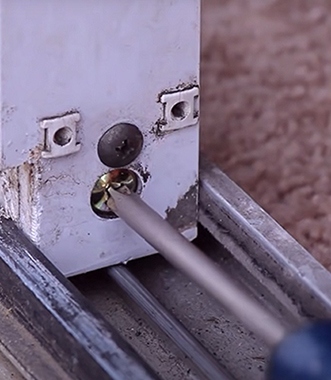
Worn or misadjusted rollers are a top cause of poor sliding. Most doors have adjustable rollers at the bottom. Raising them reduces friction and lifts a sagging door.
How to Adjust Rollers
- Locate adjustment screws at the bottom of the door (near latch and hinge sides).
- Remove plastic caps with a flathead screwdriver if present.
- Turn screws clockwise to raise the door (this reduces drag).
- Turn counterclockwise to lower the door (for removal or realignment).
- Adjust both sides evenly to keep the door level.
Warning: If turning screws does nothing, the rollers may be seized or broken. Time to replace them.
Replace Worn or Damaged Rollers
If adjusting does not help, your rollers are likely worn out. Roller failure is one of the most common reasons for a sliding glass door not sliding properly.
Signs You Need New Rollers
Watch for these indicators:
- Door drags or scrapes along the track
- Door sags at the bottom
- Lock does not align properly
- No response when turning adjustment screws
How to Replace Rollers
- Lower the door by turning adjustment screws counterclockwise.
- Remove the head stop (top guide) with a screwdriver.
- Tilt and lift the door out of the frame. Place on padded sawhorses.
- Remove old rollers (usually spring-loaded or pressure-fit).
- Install new rollers. Match the original brand and model number.
- Reinstall the door and adjust height.
Safety Note: Sliding doors are heavy. Always get help and never leave the door unattended once the head stop is removed.
Fix a Misaligned or Damaged Track
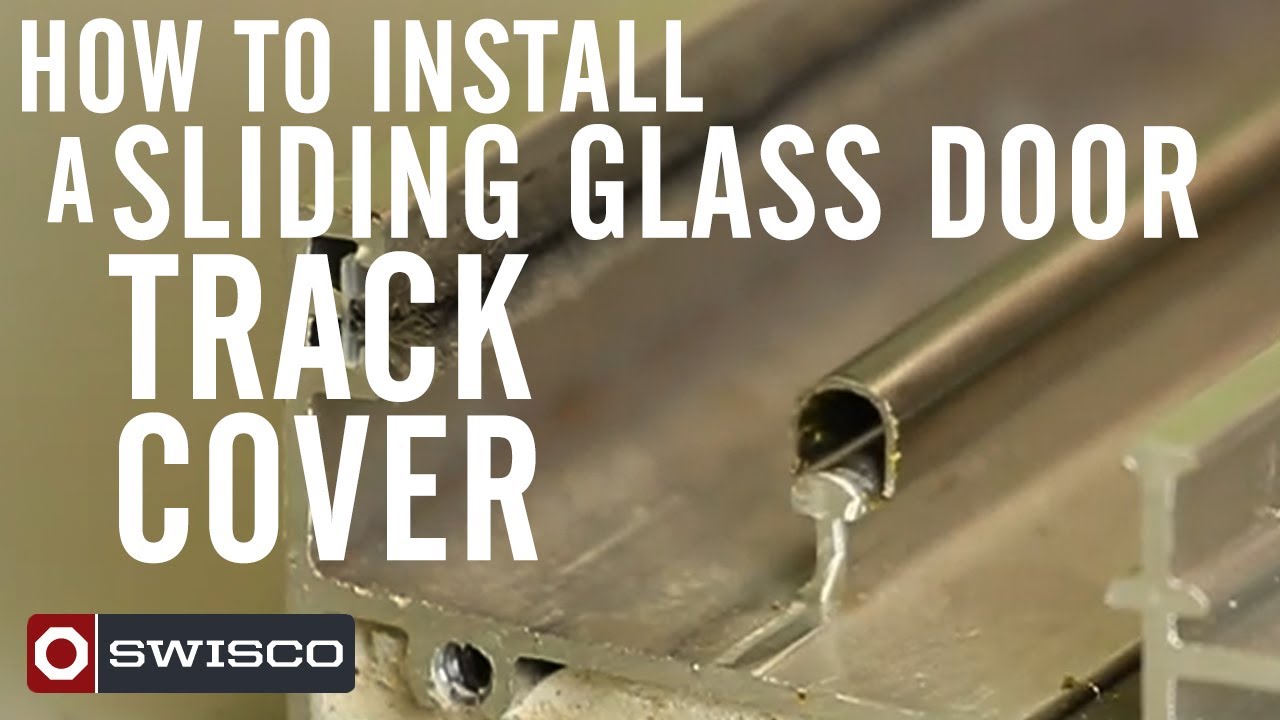
A bent, corroded, or dented track prevents smooth rolling, even with new rollers. Track damage is often overlooked but can cause major sliding problems.
Signs of Track Damage
Your track may be damaged if:
- Door jumps or binds in one specific spot
- Visible dents or pitting on the track surface
- Uneven gaps between door and frame
Repair Options for Track Damage
For minor damage:
- File down burrs with a metal file
- Clean and lubricate frequently
- Monitor for worsening
For severe damage:
- Consider snap-on track repair kits (titanium or aluminum overlays that clip over existing track)
- These kits cost approximately $200 for materials and can be DIY-installed or professionally done
- Full track replacement requires a professional
User Success: One homeowner installed a titanium snap-on track with new rollers. The door now glides effortlessly.
Replace Faulty Weatherstripping
Stiff, swollen, or misaligned weatherstripping can cause drag, especially where the moving panel passes the fixed one. Weatherstripping deterioration is a common but often overlooked cause of a sliding glass door not sliding.
Signs You Need New Weatherstripping
Look for these warning signs:
- Door drags at the center when closing
- Gaps allow drafts
- Seals are cracked or compressed
How to Replace Weatherstripping
- Remove old strip with pliers or putty knife.
- Clean adhesive residue with a plastic-safe cleaner.
- Install new strip by aligning with the shadow line of the head stop.
- Use pilot holes (1/8 inch) for screws.
- Glue jamb-side strips with plastic adhesive.
- Ensure smooth interlock with the fixed panel.
Maintenance Tip: Replace weatherstripping every five to seven years to maintain seal and ease of operation.
Re-Seat a Door That Has Come Off Track
If your door has derailed, do not panic. This is fixable and often happens when the door is pushed too hard or rollers fail.
How to Re-Seat a Dislodged Door
- Open the door fully.
- Lift the leading edge up and over the lower track.
- Realign and lower into the track.
- Adjust rollers to ensure even glide.
Warning: Frequent derailment means bent tracks or failing rollers. Inspect and repair underlying issues.
Temporary Fixes for Quick Relief
Need a short-term solution? These fixes work until you can perform a full repair.
Quick Fixes That Work
- Vaseline (petroleum jelly): Apply thickly. Lasts four to five months (user-tested on 1970s doors).
- Silicone spray: Provides immediate improvement. Reapply every few weeks.
- Dry graphite powder: Ideal for dry climates. Apply lightly.
Avoid WD-40 as a long-term fix. It attracts dirt and dries out fast.
When to Replace the Entire Door
Some doors are not worth fixing. Consider replacement if:
- Rollers fail repeatedly despite multiple repairs
- Track is severely corroded
- Door is from the 1970s or 1980s (outdated materials)
- You want better energy efficiency
Benefits of Upgrading
Newer doors offer several advantages:
- Smoother, quieter operation
- Higher-quality rollers and seals
- Better insulation and security
- Pet-resistant screens available
- Often only $20 more than standard models
Pro Tip: Many companies offer delivery and professional installation. This is ideal for heavy or complex units.
Hire a Pro or DIY: Making the Right Choice
Knowing when to DIY and when to hire help saves time, money, and frustration.
| Factor | DIY | Professional |
|---|---|---|
| Cost | $10 to $50 | $100 to $300+ |
| Time | 30 minutes to 2 hours | 1 to 2 hours |
| Skill Required | Moderate | None needed |
| Risk | Medium (glass, pinching) | Low |
| Best For | Cleaning, lubrication, adjustments | Roller or track replacement |
Expert Advice: If you are unsure, hire a handyman or Tasker. Pros have the tools and experience to avoid costly mistakes.
Prevent Your Sliding Door From Sticking Again
Regular maintenance keeps your door gliding smoothly for years.
6 Preventive Tips
- Clean the track monthly. Brush and vacuum debris.
- Lubricate every three to six months. Use silicone or paraffin wax.
- Inspect rollers twice a year. Adjust or replace as needed.
- Keep adjustment screws accessible. Remove caps and mark positions.
- Replace weatherstripping every five to seven years.
- Ensure outdoor tracks slope slightly. This prevents water pooling.
Bonus Tip: Clear weep holes to avoid moisture damage and corrosion.
Frequently Asked Questions About Sliding Glass Door Not Sliding
Why will my sliding door not close all the way?
Likely causes include misaligned rollers, a sagging door, or track debris. Fix this by lifting and reseating the door, then adjusting the rollers.
Can I replace just the glass panel?
Yes, if the manufacturer still produces it. Contact the manufacturer or supplier to verify compatibility. This avoids full door replacement but requires precise fitting.
What is the best lubricant for sliding glass doors?
Top recommendation is silicone spray for general use. Paraffin wax lasts longest on bottom tracks. Avoid WD-40, motor oil, and grease because they attract dirt.
How do I know if my rollers are bad?
Your rollers are likely bad if the door drags or scrapes, or if adjustment screws do not affect door height. Look for visible cracks, rust, or flat spots on the rollers.
Can I fix a sliding door that is off-track?
Yes. Open the door fully, lift the leading edge up and over the lower track, realign and lower back into position, then adjust rollers for even glide.
What causes grey dust in the track?
Fine grey dust usually indicates metal shavings from worn rollers or aluminum wear from friction. Clean the track thoroughly and check roller condition.
Key Takeaways for Fixing Your Sliding Glass Door
Most sliding glass door not sliding issues are fixable with basic maintenance. Start with cleaning the track and applying proper lubricant. If the door still drags, adjust the rollers. Replace worn or damaged rollers when adjustment no longer works. For severe track damage, consider snap-on repair kits or full replacement.
Regular maintenance prevents future problems. Clean the track monthly, lubricate every three to six months, and inspect rollers biannually. With proper care, your sliding door can glide smoothly for years without requiring a shoulder shove. If the job is beyond your skill level, hire a professional to avoid damage or injury.