You switch on your window air conditioner expecting cool relief, only to hear splashing inside or see water pooling on your floor. This common frustration usually means water is building up where it shouldn’t. The good news is you can fix it yourself without calling a technician.
This guide walks you through how to get water out of a window AC unit using proven methods. You’ll learn how to fix the tilt, clear blockages, use a simple wicking trick, and when drilling a drain hole makes sense. Every solution is based on how these units actually work.
Fix the Installation Angle First
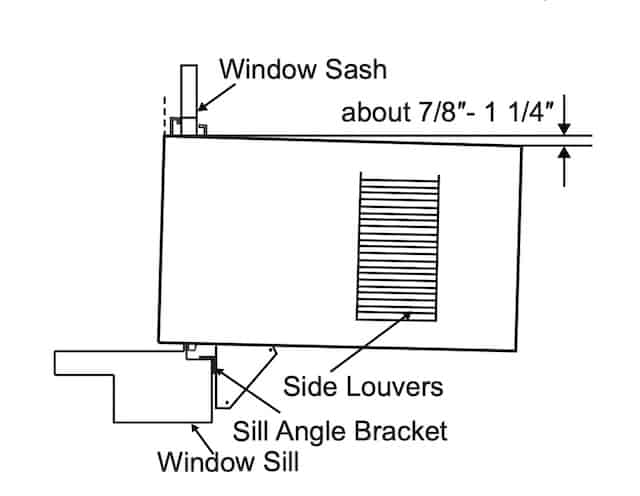
Incorrect tilt is the number one reason water leaks into your room. Window AC units must slope slightly backward so gravity pulls water away from the indoor side.
Tilt Your Unit Backward 1 to 2 Degrees
A proper backward slope lets condensate flow toward the rear drainage area where the sling ring picks it up and flings it onto the hot condenser coils. If the unit sits level or tilts forward, water pools at the front and spills inside.
To correct the angle:
– Raise the front (indoor side) using wooden shims or leveling pads
– Aim for about a 1/4 inch lift at the front to create the ideal slope
– Never tilt the unit forward, as this guarantees indoor leakage
Pro Tip: Place a small bubble level on top of the unit. The bubble should sit slightly off-center toward the outside to confirm proper tilt.
Check for Hidden Slope Issues in RVs and Trailers
If you use your AC in a mobile home or RV, the vehicle itself may be leaning. Even a perfect installation gets thrown off when the trailer sags inward.
Solutions:
– Level the vehicle first using leveling blocks under the wheels
– Recheck and adjust the AC unit’s angle after leveling
– Add extra shimming to compensate for structural lean if needed
Clear Drainage Blockages

If the tilt looks correct but water still pools, a clogged drain path is the likely culprit. Dust, mold, algae, and debris can block the drip pan or drain hole over time.
Locate and Inspect the Drip Pan
- Turn off and unplug the unit for safety
- Remove the front grille or panel using your model’s manual
- Look into the base to find the drip pan beneath the evaporator coils
Check for:
– Standing water
– Cracks or warping in the pan
– Visible debris or slime buildup
Flush With a Vinegar Solution
A 1:1 mix of white vinegar and water dissolves mineral deposits, kills mold, and clears organic buildup without harming internal parts.
Steps:
1. Pour the solution directly into the drip pan
2. Let it sit for 15 to 30 minutes
3. Scrub gently around the drain hole with a soft brush or pipe cleaner
4. Flush with clean water and let everything dry before reassembling
Warning: Avoid chemical drain cleaners. They can corrode metal and degrade plastic components inside the unit.
Clean the Air Filter Regularly
A dirty filter restricts airflow over the evaporator coils, which can cause them to freeze. When ice melts, it releases a sudden surge of water that overwhelms the pan.
Fix:
– Wash reusable filters with soapy water every 1 to 2 weeks during heavy use
– Replace disposable filters as needed
– Make sure filters are fully dry before reinstalling
Silence Noisy Splashing Sounds
Hearing loud churning or gurgling from your AC isn’t normal. A light splash from the sling ring is expected, but excessive noise means water is too deep in the pan.
Diagnose the Sound You’re Hearing
- Rhythmic splashing: Normal operation, the sling ring is working
- Loud gurgling or churning: Abnormal, water level is too high
Action steps:
– Recheck the unit’s tilt
– Inspect and clean the drain hole
– Confirm the fan isn’t hitting standing water
Expert Note: Some users mistake normal operation for a problem. If there’s no leak and cooling performance is strong, light splashing is harmless.
Use a Wick to Draw Out Moisture

If your unit lacks a drain plug and you live in a humid area, a passive wicking system can remove excess water without any modification.
Install a Gauze Wick
This method uses capillary action, the same force that pulls water up through plant