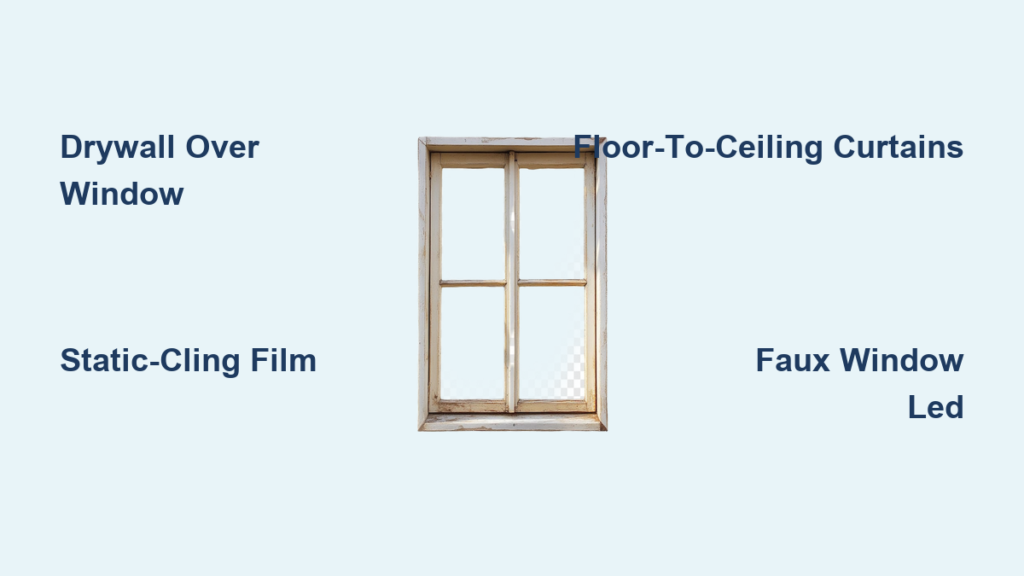
You walk into a room and your eye is instantly drawn to a window in the wrong place, such as one that is too high, blocked by furniture, or facing a brick wall. It disrupts your design flow and compromises privacy. Knowing how to hide a window effectively can transform any awkward space into a polished, functional room.
Hiding a window does not mean sacrificing style or natural light. With the right approach, you can turn an architectural flaw into a design feature. From permanent fixes like drywalling to renter-friendly options like static-cling films, there are solutions for every situation. This guide covers practical, tested methods to conceal any window safely and stylishly.
Permanent Window Concealment Methods

When a window no longer serves a purpose, such as one facing a wall after a deck enclosure, permanent concealment offers the cleanest solution. These methods create a seamless wall surface that blends with the rest of the room.
Drywall Over the Window Opening
The most definitive way to hide a window is to remove the glass and frame, then seal the opening with drywall. This creates a flush, continuous wall that matches the surrounding surface.
Steps:
1. Remove the window sash and frame carefully.
2. Insulate the cavity to maintain energy efficiency.
3. Install a new stud frame if needed for support.
4. Cut and screw drywall into place.
5. Tape, mud, sand, and paint to match the wall.
Pro Tip: Extend drywalling across the entire wall to avoid visible seams and ensure uniform texture. This method works best for basements, enclosed patios, or rooms where natural light is unnecessary.
Install Veneer or Panel Covering
If full drywall removal feels too invasive, cover the window with a solid panel system. Use Masonite as a base layer, then apply oak veneer for a finished wood appearance.
Benefits:
– No need to remove the existing window
– Maintains insulation value
– Can be painted or stained to match décor
After installation, treat the panel like a wall surface. Hang a large clock, mirror, or artwork to further disguise the area. This method works especially well for high-set windows in living rooms or dining areas.
Build a Faux Window
In windowless rooms like basements or interior bathrooms, install a faux window to mimic natural light and add architectural interest.
How to Build One:
1. Frame a window-sized opening in the wall.
2. Mount an LED light panel inside the frame.
3. Add a printed transparency showing sky, trees, or a cityscape.
4. Finish with trim to resemble a real window.
These glowing panels provide soft ambient light and create the illusion of daylight. They are perfect for mood lighting or brightening dark spaces.
Decorative Ways to Hide a Window
When structural changes are not possible, turn the window into a design feature rather than a distraction. Decorative methods offer flexibility and visual appeal.
Hang Large Art or Canvas
A massive canvas is one of the most effective ways to hide an unwanted window, especially when positioned high on the wall.
Best Practices:
– Choose artwork at least 75% the size of the window
– Opt for landscape or floral themes to simulate an outdoor view
– Mount directly over the frame using heavy-duty picture hooks
This method works beautifully in living rooms, dining areas, or enclosed decks where the original view is gone. The large visual weight fills the space and draws attention upward.
Convert to a Functional Surface
Turn the window area into something useful, such as a corkboard, blackboard, or bulletin board.
Installation Steps:
1. Clean the glass thoroughly.
2. Attach a thin backing board like foam core or plywood to the frame.
3. Cover with cork, fabric, or chalkboard paint.
4. Secure with removable clips or adhesive strips for renters.
This approach hides the glass while adding daily utility. It is great for kitchens, home offices, or kids’ rooms.
Apply Window Decals or Stencils
Use static-cling decals or stencil art to transform plain glass into a decorative feature.
Options:
– Landscape decals that create a fake garden or mountain view
– Stained glass effects using adhesive film with colored patterns
– Frosted designs that add texture while blocking visibility
For extra impact, place shutters on either side of the window to frame the decal. At night, add small LED string lights behind the glass to make the design glow.
Use Window Films for Instant Privacy

Window films are fast, affordable, and non-destructive, making them ideal for rentals or quick fixes. They alter the transparency of the glass without blocking all light.
Apply Opaque or Privacy Film
Opaque films block all visibility while still allowing light to pass through. They come in frosted, etched, or patterned finishes.
Best for:
– Bathroom windows
– Ground-floor rooms facing sidewalks
– Kitchens with sink-side windows
Installation Steps:
1. Clean the glass with soapy water.
2. Spray both the window and film with solution.
3. Peel backing and apply film.
4. Squeegee out bubbles and trim edges.
Warning: Avoid adhesive-based films on double-pane windows, as heat buildup can cause seal failure.
Choose One-Way or Two-Way Privacy Tint
These films rely on light differentials. You can see out during the day, but outsiders cannot see in.
How it works:
– The darker interior side sees the brighter exterior
– At night, the effect reverses when interior lights are on
Use one-way mirror film on street-facing rooms for daytime privacy. Remember to add curtains or blinds at night to maintain full privacy.
Best Window Coverings to Hide Glass
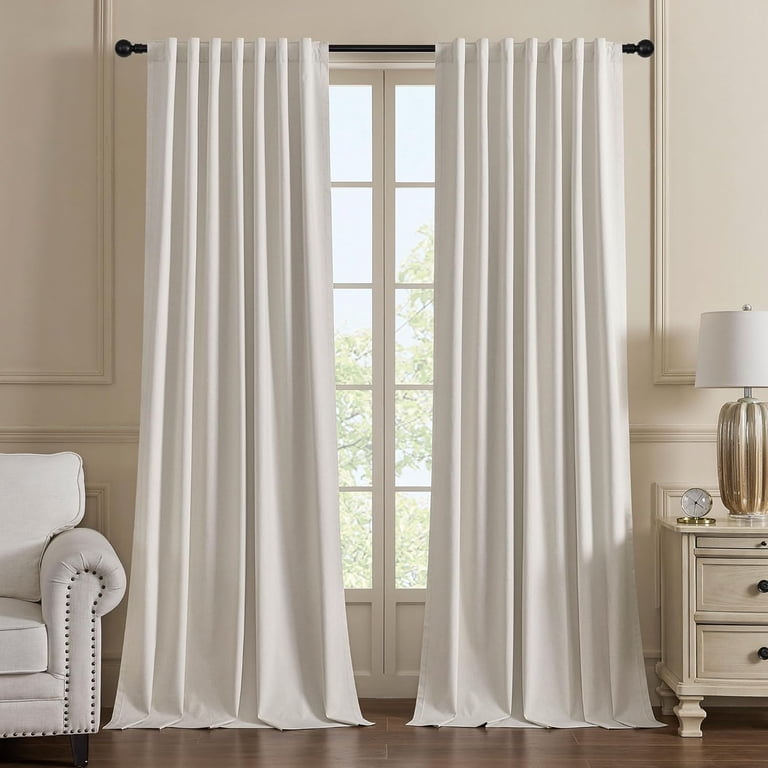
Blinds, shades, and curtains remain the most flexible and widely used methods for hiding windows. They offer adjustable light control and easy installation.
Install Cellular or Blackout Shades
Cellular (honeycomb) shades offer insulation and clean lines. Choose blackout versions for complete concealment.
Features:
– Cordless operation that is safe for kids and pets
– Top-down and bottom-up options for partial light control
– Available in room-darkening and total blackout styles
These shades are ideal for bedrooms, media rooms, or any space where light control is critical.
Use Floor-to-Ceiling Curtains
Hang curtains from ceiling to floor to visually absorb the window and make it disappear.
Design Tips:
– Select fabric that matches the wall color
– Use a decorative rod that extends beyond the frame
– Layer sheer and blackout panels for versatility
This technique works perfectly for windows behind beds or in minimalist living rooms where clean lines matter.
Mount No-Drill or Renter-Friendly Blinds
Renters cannot drill holes, but they can still hide windows effectively.
Top Options:
– Tension rod blinds that fit inside the frame without screws
– Adhesive roller shades with peel-and-stick mounting brackets
– Static-cling cellular shades that attach via suction
These solutions are removable, leave no marks, and provide solid privacy.
Room-Specific Window Hiding Strategies
Different rooms have different needs. The best method depends on function, layout, and moisture levels.
Hide Windows in Bedrooms
A bed placed directly in front of a window is a common challenge.
Solutions:
– Floor-to-ceiling curtains in wall-matching fabric
– A foldable Korean-style bed that tucks away during the day
– A headboard with an integrated blackout panel that slides up
For sleep quality, use blackout roller blinds behind the curtains to eliminate all light.
Conceal Kitchen Windows
A sink window that now looks into an enclosed deck or garage needs quick fixes.
Fixes:
– Hang a large canvas above the sink
– Apply opaque film or a frosted decal
– Install smart roller blinds that lower automatically
Choose moisture-resistant materials if the window is near steam or splashes.
Hide Bathroom Windows
Privacy is non-negotiable in bathrooms.
Best Methods:
– Faux wood shutters that resist humidity
– Vinyl roller blinds in solid colors
– Etched glass film with decorative patterns
Avoid fabric unless it is mold-resistant. Always ensure the covering allows for proper ventilation.
Fake Windows in Basements
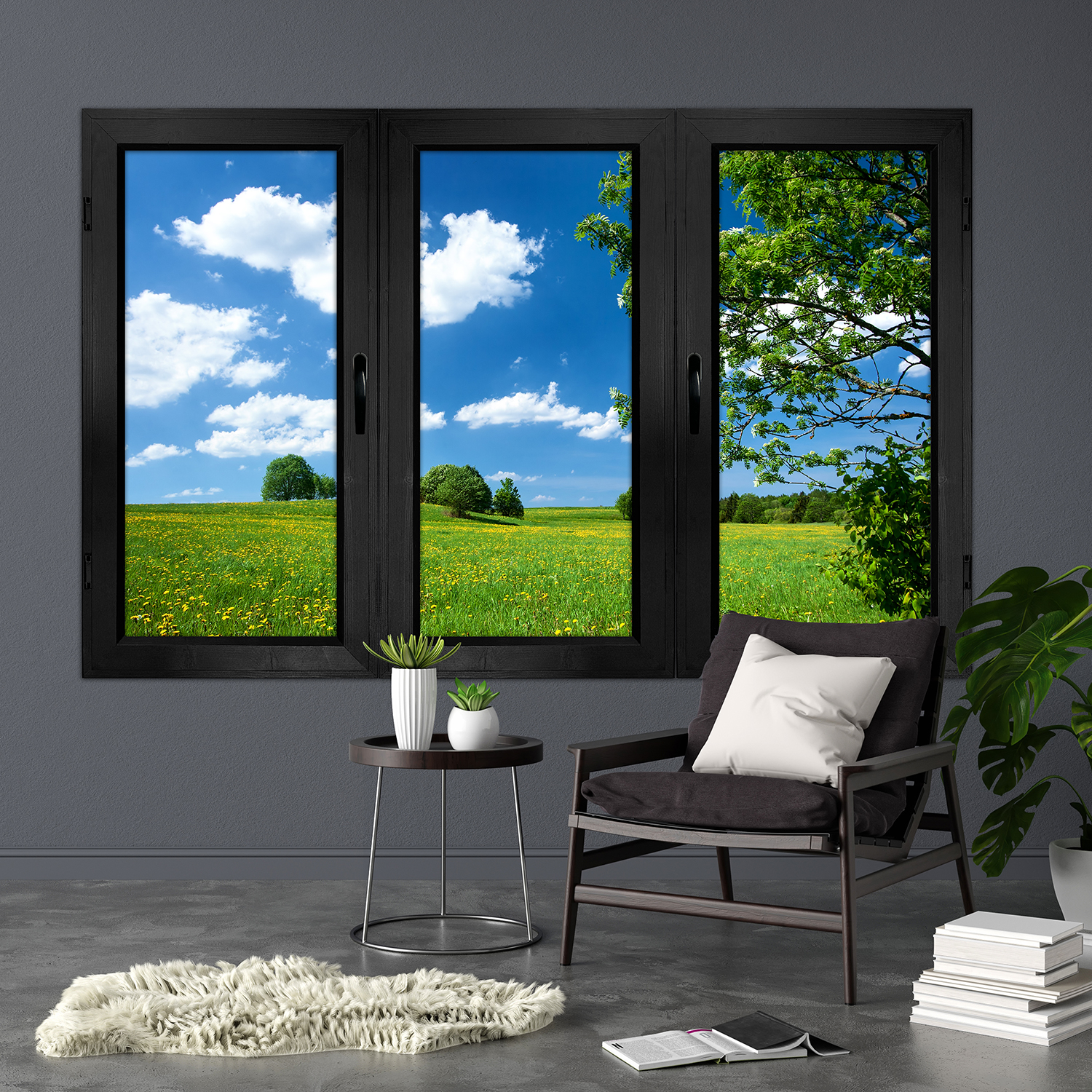
No real window? Create one to brighten the space.
How to:
1. Build a shallow box frame on the wall.
2. Insert an LED light panel with daylight temperature (5000K to 6500K).
3. Print and mount a scenic image like a forest or city skyline.
4. Add a thin diffuser layer to soften the light.
This faux window boosts mood and makes dark basements feel open and inviting.
Temporary and Renter-Friendly Fixes
If permanent changes are not allowed, these removable methods work great for anyone learning how to hide a window without damage.
Use Tension Rods and Clip-On Panels
Hang lightweight curtains or fabric panels using tension rods inside the window frame. No drilling is required.
Add-ons:
– Attach clips to hold blackout liners
– Use magnetic strips to secure edges
This approach is perfect for dorm rooms, rentals, or temporary living spaces.
Apply Removable Static Cling Film
Peel-and-stick privacy film adheres with static electricity, not glue.
Benefits:
– No residue when removed
– Reusable on clean glass
– Comes in frosted, patterned, or stained glass styles
Avoid using on textured or dirty glass. Clean thoroughly before applying for best results.
Place Freestanding Privacy Screens
Use a room divider, corkboard, or blackboard stand in front of the window.
Advantages:
– Portable and reconfigurable
– Adds storage or display space
– Works for sliding glass doors too
Choose a screen with legs or wheels for easy movement around the room.
Outdoor Privacy for Ground-Level Windows
Sometimes hiding a window means controlling the outside view in. Outdoor solutions work well for ground-floor units and balconies.
Install Balcony Enclosures
For apartments or townhomes, use mesh balcony screens, sliding mesh doors, or full-height rail covers to block street-level sightlines.
Materials:
– Weather-resistant mesh
– Powder-coated aluminum frames
– Retractable options for flexibility
These maintain airflow while preventing prying eyes from seeing inside.
Add Decorative Grills or Shutters
Exterior shutters or security grills with ornamental designs hide the interior while adding curb appeal.
Note: Ensure grills meet fire egress codes if used in bedrooms for safety compliance.
Use Strategic Landscaping
Plant tall shrubs, bamboo, or install a privacy trellis outside the window.
Fast-Growing Options:
– Bamboo (use contained varieties to prevent spreading)
– Arborvitae, which is evergreen with dense foliage
– Climbing vines on a trellis
This softens the exterior and naturally obscures the view into your home.
Choosing the Right Method for Your Situation
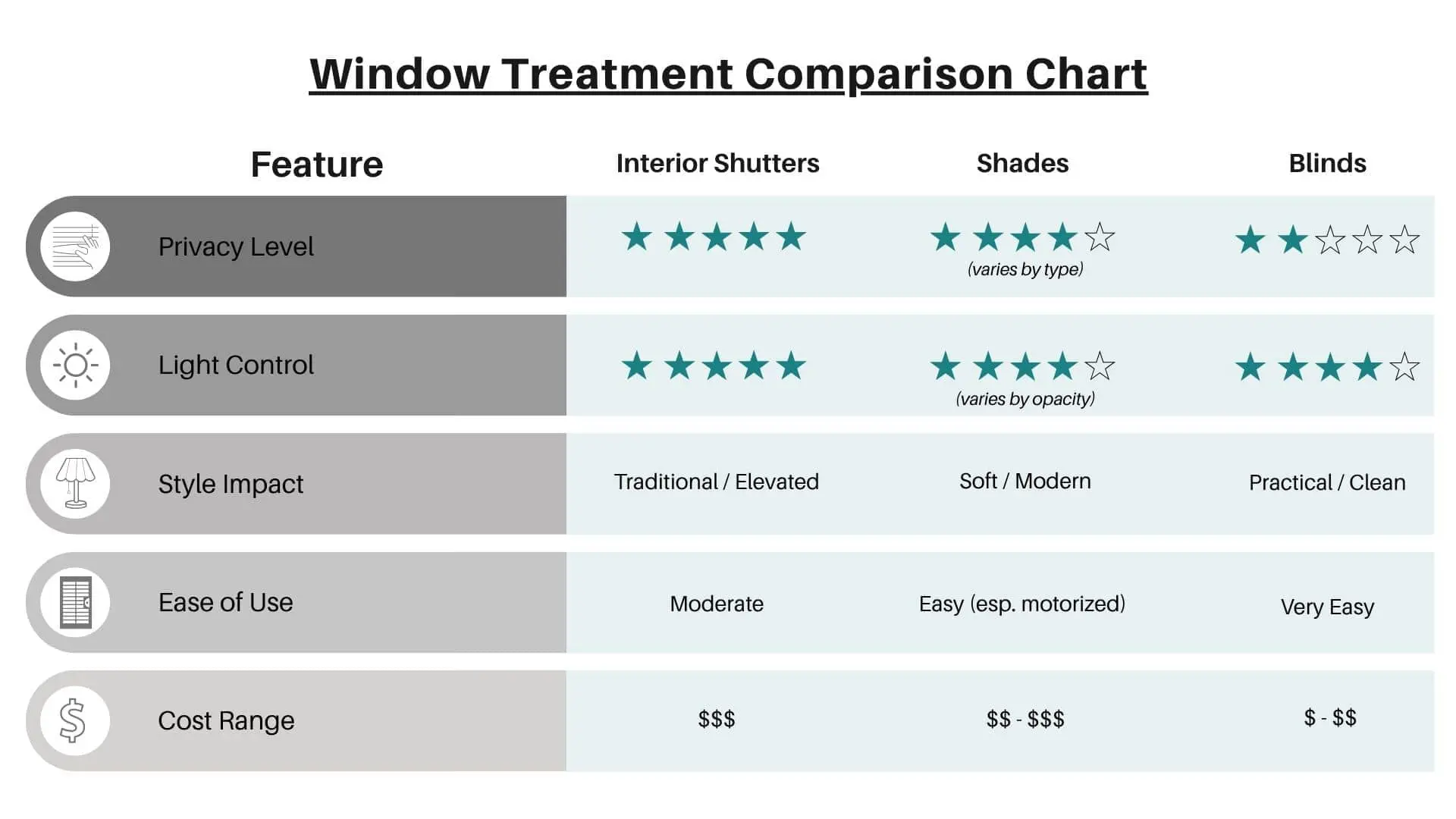
Not every solution fits every situation. Use this quick guide to pick the best option for your needs.
| Factor | Best Choice |
|---|---|
| Permanent fix | Drywall or veneer panel |
| Renting | Tension rods, static film, no-drill blinds |
| Need light but no view | Opaque or frosted film |
| Want to add function | Corkboard, blackboard, bulletin board |
| Dark room needs light | Faux window with LED panel |
| High window | Large canvas or decorative panel |
| Bedroom privacy | Blackout shades plus floor-length curtains |
| Humid room | Vinyl blinds or faux shutters |
Pro Maintenance Tip: Clean films and decals monthly with a soft cloth and non-abrasive cleaner to prevent dust buildup and peeling.
Frequently Asked Questions About Hiding Windows
What is the best way to hide a window permanently?
The best permanent method is to remove the window entirely and seal the opening with drywall. For a less invasive option, cover the window with Masonite and oak veneer panels. Both methods create a seamless wall surface that blends with the rest of the room.
How do you hide a window without blocking light?
Use opaque or frosted window films that allow light to pass through while blocking visibility. One-way privacy tints also work well during the day. Faux windows with LED light panels are another option that simulates natural daylight in windowless rooms.
Can you hide a window in a rental property?
Yes, use renter-friendly methods like tension rod curtains, static-cling films, and no-drill adhesive blinds. These solutions require no drilling or permanent adhesive and can be removed without damaging walls or leaving residue.
How do you hide a window behind a bed?
Install floor-to-ceiling curtains that match the wall color to make the window blend in. Add blackout roller blinds behind the curtains for better sleep. A foldable bed or a headboard with an integrated panel also works well for this layout.
What can I put over a window to block visibility?
Options include opaque films, blackout shades, cellular blinds, heavy curtains, and large canvas artwork. For a permanent solution, drywall or veneer panels work best. For renters, static-cling films and tension rod curtains are ideal.
How do you make a fake window in a basement?
Build a shallow frame on the wall, insert an LED light panel, and mount a scenic transparency behind glass or a diffuser. Finish with trim to mimic a real window. This adds perceived light and architectural interest to dark spaces.
Key Takeaways for Hiding Any Window
Knowing how to hide a window opens up design possibilities you may not have considered. Permanent solutions like drywall and veneer offer the cleanest results for windows you no longer need. Decorative methods like large canvas art and corkboards add function while disguising unwanted glass.
For renters and quick fixes, window films, tension rods, and no-drill blinds provide effective concealment without damage. Room-specific strategies ensure you get the right balance of privacy, light, and style in bedrooms, kitchens, bathrooms, and basements.
Start by assessing your window’s location, your budget, and whether you need a permanent or temporary fix. Choose a method that fits your lifestyle and long-term plans. With the right approach, even the most awkward window can become an asset rather than an eyesore.