
Your dog loves curling up on the windowsill to watch the world go by. But those peaceful moments leave behind scratches, gouges, and chipped paint that ruin your home’s appearance. If you’re wondering how to protect window sills from dog claws, you’re facing a common struggle shared by countless pet owners.
Active dogs that jump up and down repeatedly can damage wood, vinyl, and painted surfaces in just a few weeks. The good news is that you don’t have to choose between your pet’s comfort and your home’s condition. This guide covers physical barriers, training techniques, and environmental changes that keep both your dog and your window sills in great shape.
Install Protective Covers on Window Sills

Physical barriers create the first line of defense against claw damage. These covers absorb impact and prevent direct contact between paws and your sill surface.
Use Silicone or Rubber Edging
Soft, flexible edge protectors offer one of the fastest fixes for claw damage. Silicone or rubber edging sticks directly to the front edge of the sill, which is the area most vulnerable to scratches. These strips absorb impact and prevent direct claw contact with wood or paint.
Installation takes only minutes:
- Clean the sill surface thoroughly
- Measure the length needed
- Peel the adhesive backing
- Press firmly into place
Choose food-grade silicone if your dog tends to chew surfaces. Most options are non-toxic and durable. Replace the strips every 1 to 2 years depending on wear.
Apply Removable Wood Protectors
Removable wood guard strips work well for wooden sills. These caps sit on top of the sill and can be cut to size with a handsaw. Materials like soft bamboo or vinyl-coated MDF provide a buffer between claws and the original surface.
Secure them with removable double-sided tape or non-residue adhesive for renter-friendly protection. These caps are ideal for deep sills where dogs rest their paws or push off when jumping. They remove easily for cleaning or painting.
Try Clear Acrylic Shields
Clear acrylic shields offer nearly invisible protection for your window sills. Cut a custom piece to fit the sill surface, then secure it with removable mounting tape. Acrylic resists scratching better than standard plastic and won’t yellow in sunlight.
For full coverage, extend the shield slightly beyond high-contact zones. Clean with a non-abrasive glass cleaner to avoid creating new surface scratches.
Apply Surface Sealants and Coatings
Reinforcing the sill’s surface adds a second layer of protection beneath any physical barrier.
Use Scratch-Resistant Varnish
Scratch-resistant polyurethane varnish forms a hard, transparent layer over wood or paint. Apply 2 to 3 coats with a brush or foam pad, sanding lightly between layers for maximum durability.
Choose a satin or matte finish to hide minor marks over time. Reapply every 12 to 18 months in high-traffic areas. If your dog licks the sill, opt for water-based, pet-safe formulas that cure odor-free.
Install Peel-and-Stick Protective Film
Peel-and-stick protective film works well on window sills for temporary protection. These clear vinyl films adhere smoothly and resist claw marks, moisture, and UV fading.
Application steps:
- Measure your sill carefully
- Cut the film slightly larger than needed
- Peel one edge and align with the sill
- Smooth out bubbles using a credit card
Replace the film every 6 to 12 months or sooner if edges begin to lift. This low-cost solution works perfectly for rentals.
Modify the Environment Around the Sill

Changing your dog’s access to the sill reduces the impulse to jump and claw at the surface.
Add a Dog-Friendly Perch Nearby
Dogs jump on sills for elevation and a better view. Instead of blocking access entirely, create a safer alternative perch nearby. Use a sturdy pet ramp or step to help your dog reach a cushioned window seat or padded platform.
Choose materials like microfiber or outdoor fabric that resist claw snags. Anchor the perch securely to prevent tipping accidents. Over time, most dogs prefer the more comfortable, supported surface.
Use Rugs or Mats Under the Sill
Place a thick, non-slip mat or rug directly below the window. This cushions landings and reduces the impulse to scramble up using claw grip. Memory foam mats or outdoor doormats with rubber backing stay in place and absorb impact.
Wash these mats regularly to prevent dust buildup, which can scratch surfaces when trapped under paws.
Train Your Dog to Stay Off the Sill
Long-term protection requires teaching your dog new habits around the window area.
Discourage Jumping with Positive Redirection
Consistent training is the key to long-term success. Teach your dog to stay off the sill using positive redirection. When they jump up, calmly say “off” and guide them to their designated spot. Reward compliance with treats and praise.
Use a leash or gate temporarily to reinforce boundaries during training. Most dogs adapt within 2 to 4 weeks with daily practice sessions.
Use Temporary Deterrents
If your dog is persistent, use pet-safe deterrents to make the sill less appealing. Effective options include:
- Double-sided tape
- Aluminum foil strips
- Plastic carpet runners with the nub side up
These create an uncomfortable surface without causing harm. Remove deterrents once the behavior changes to avoid creating dependency.
Maintain and Monitor Your Window Sills
Regular inspection catches small problems before they turn into costly repairs.
Inspect Sills Weekly
Set a reminder to check window sills weekly for early signs of damage. Look for splinters, loose edges, or worn coatings on every surface. Address small issues immediately before they become major repairs.
Wipe down surfaces with a damp cloth to remove dirt and claw debris that can accelerate wear over time.
Rotate Protective Layers Periodically
If using removable covers or films, rotate or replace them periodically. Flip silicone strips occasionally to even out wear patterns. This extends lifespan and ensures consistent protection across all seasons.
Keep spare materials on hand for quick swaps during cleaning sessions or travel periods.
Frequently Asked Questions About Protecting Window Sills from Dog Claws
What is the best material to cover window sills from dog scratches?
Clear acrylic shields and silicone edging rank among the most effective options. Acrylic resists scratching better than plastic and stays nearly invisible. Silicone absorbs impact and installs in minutes with self-adhesive backing.
Can I use double-sided tape on a window sill without damaging paint?
Yes, but choose painter’s tape or removable mounting tape specifically. Standard double-sided tape can pull paint off when removed. Test a small corner first and remove the tape slowly at a 45-degree angle for the safest results.
How do I stop my dog from jumping on the window sill?
Combine positive redirection training with environmental changes. Guide your dog to a designated perch and reward compliance. Temporary deterrents like aluminum foil can discourage jumping during the training period.
Are there pet-safe sealants for wood window sills?
Water-based polyurethane varnishes labeled pet-safe work well. These formulas cure without strong odors and create a hard protective layer. Avoid oil-based options if your dog tends to lick surfaces in the home.
Will a window sill cover work for large dogs?
Yes, but choose thicker materials like bamboo or vinyl-coated MDF for bigger breeds. Larger dogs generate more force when jumping, so standard silicone strips may wear out faster. Reinforce adhesive edges with additional mounting tape for extra security.
How often should I replace protective film on window sills?
Replace peel-and-stick film every 6 to 12 months depending on use. High-traffic areas with active dogs may need replacement every 3 to 4 months. Watch for lifting edges or cloudiness as signs that the film needs changing.
Key Takeaways for Protecting Window Sills from Dog Claws
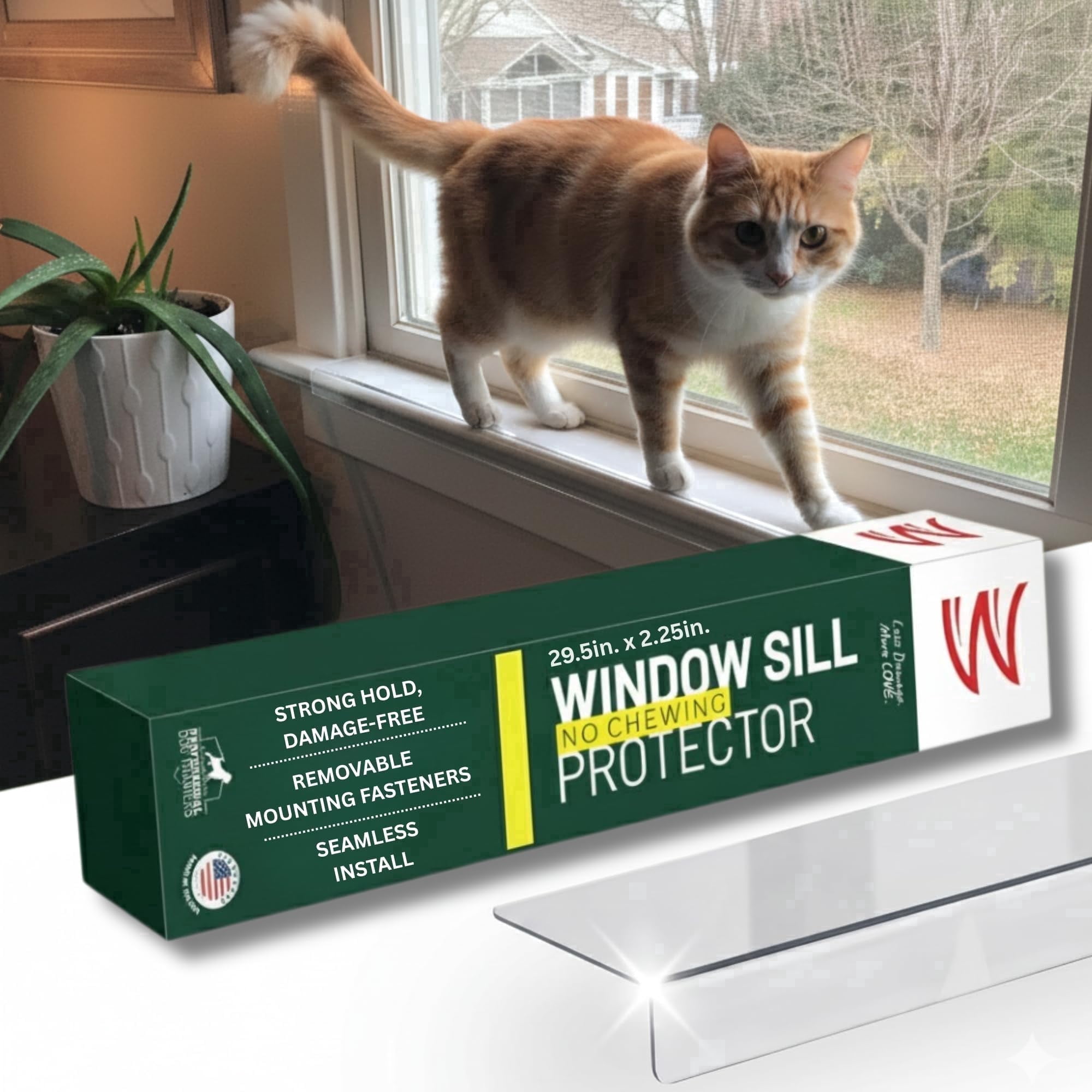
Combining physical barriers with training delivers the best long-term results. Start with removable solutions like silicone edging or acrylic shields to stop immediate damage. Then reinforce the habit change with positive redirection and a comfortable alternative perch.
Focus on durable, removable products that suit your living situation, especially if you rent your home. Inspect sills weekly and rotate protective layers to extend their lifespan. With consistent care and the right materials, your dog can still enjoy the view while your window sills stay beautiful for years to come.