Nothing ruins a peaceful drive like the ear-splitting screech of squeaky windshield wipers. That high-pitched noise is more than annoying; it signals friction between the rubber blade and glass, often caused by dirt, aging rubber, misalignment, or dry operation. Ignoring the issue can lead to streaking, reduced visibility, and permanent blade damage. The good news is that most causes are easy to fix with basic cleaning, lubrication, and minor adjustments. In this guide, you will learn exactly how to stop window wipers from squeaking using proven methods, along with tips to keep them quiet for the long haul.
Clean the Windshield Thoroughly

A dirty windshield is the leading cause of wiper squeaking. Oils, bug residue, wax buildup, and road grime create a rough surface that makes blades chatter and screech across the glass.
Remove Invisible Glass Film
Even when a windshield looks spotless, it often harbors a greasy film invisible to the naked eye. This residue comes from exhaust fumes, car wax, and household cleaners, all of which prevent smooth blade contact.
- Spray ammonia-free glass cleaner or a vinegar-water mix (1:1) across the entire windshield.
- Wipe with a lint-free microfiber cloth using overlapping strokes along the full wiper path.
- Pay extra attention to areas with streaks or haze, especially near the base of the glass.
- Let the windshield dry fully before testing the wipers.
Pro Tip: Avoid wax-based cleaners and dish soap. These leave residues that attract dirt and make squeaking worse.
Clean the Wiper Blades Monthly
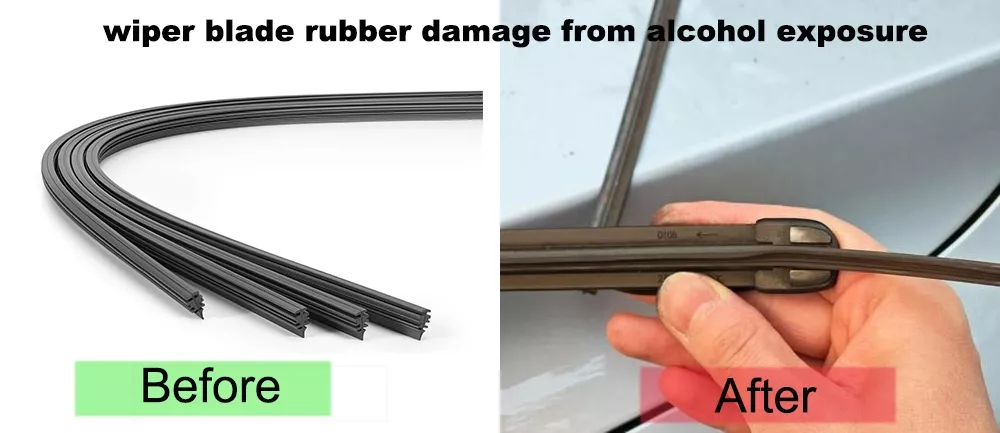
Dirty blades drag grit across the glass, creating noise and accelerating wear. A quick monthly cleaning takes under five minutes and often silences squeaks immediately.
Use Alcohol to Deep Clean Rubber
- Lift the wiper arm away from the glass to access the blade.
- Dampen a paper towel or soft cloth with rubbing alcohol (isopropyl).
- Pinch the rubber edge gently and wipe along its entire length on both sides.
- Swap out the towel as it picks up grime to avoid reapplying dirt.
- Lower the arm and test with washer fluid.
Warning: Never apply bleach or ammonia directly to the blade. These chemicals break down rubber.
Alternative cleaners: Warm soapy water or dedicated wiper blade wipes work well for routine maintenance.
Restore Rubber Flexibility
UV rays and heat gradually harden wiper rubber, making it stiff and unable to conform to the windshield curve. Restoring flexibility reduces friction and eliminates noise.
Apply Rubber Conditioner
- Use a rubber restorer like ArmorAll or a silicone-based protectant.
- Apply a small amount to a cloth and wipe gently along the rubber edge.
- Do this during regular car washes to keep blades supple.
Note: Avoid over-application. Excess product can smear onto the glass and blur vision.
Soften Stiff New Blades
New blades sometimes squeak due to factory stiffness. Rubbing alcohol can help break them in by cleaning and slightly softening the surface.
Lubricate Blades and Joints
Proper lubrication reduces friction, but only when done correctly. The wrong product can ruin blades and attract more dirt.
Use Silicone Spray Only
- Apply a light coating of silicone lubricant to the rubber edge.
- Wipe off excess immediately to prevent spray drift onto the glass.
- Never use WD-40 or oil-based products. These degrade rubber and create a sticky mess.
Lubricate Pivot Points
Stiff joints in the wiper arm cause jerky movement and noise.
- Spray silicone lubricant on:
- The hinge where the arm connects to the car.
- The blade attachment pivot.
- Move the arm manually to work the lubricant in.
- Wipe away drips to protect the paint.
Adjust Wiper Arm Alignment
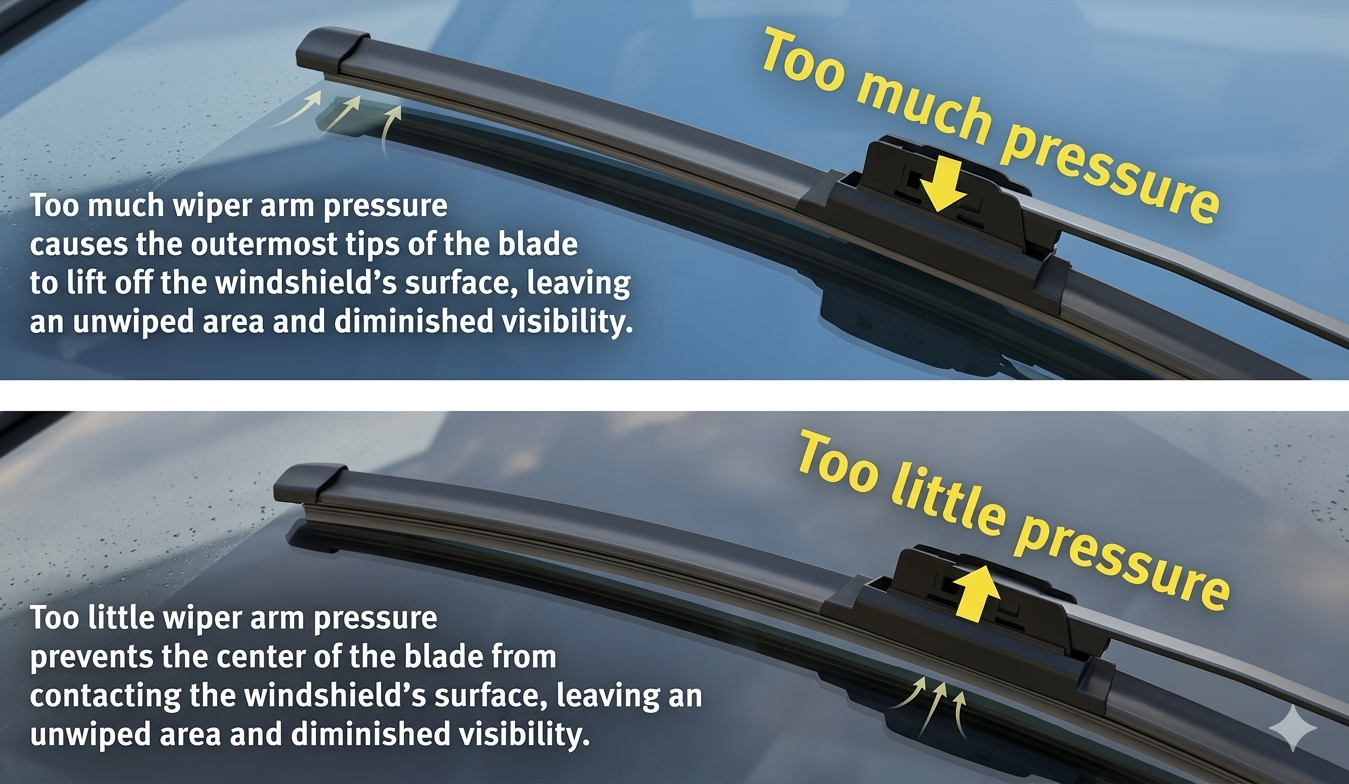
If squeaking continues after cleaning and lubrication, the arms may be misaligned. Even a slight bend can force the blade to dig into the glass instead of gliding smoothly.
Check Blade Angle
- Lift the arm and observe how the blade sits on the glass.
- It should lie flat and trail slightly behind the arm like a squeegee.
- If the blade tips up or digs in at one end, it needs adjustment.
Bend Arm Gently for Proper Contact
- With the arm lifted, use both hands to gently twist the metal arm into better alignment.
- Apply light pressure. Bending too much can snap the arm.
- Test the wipers after each small adjustment.
Expert Note: If the arm feels loose or wobbly, weak spring tension may be the underlying issue.
Fix Weak Spring Tension
Low tension causes the blade to lift and vibrate, creating a chattering or squeaking sound, especially at higher speeds.
Temporarily Boost Pressure
- Use a zip tie (cable tie) to slightly compress the spring mechanism in the wiper arm.
- Loop it around the spring and tighten just enough to increase downward pressure.
- Trim excess tie length for safety.
Limitation: This is a short-term fix. Replace the arm or spring for a permanent solution.
Replace Old or Damaged Blades

If cleaning and adjusting do not help, the blades are likely worn out. Most last 6 to 12 months, even if they look fine.
Signs You Need New Blades
- Visible cracks, splits, or missing rubber chunks.
- Streaking, skipping, or smearing during use.
- Squeaking persists after all other fixes.
- Blades are over a year old.
Choose Quiet, High-Quality Replacements
- Avoid cheap generic brands. They often squeak from day one.
- Opt for frameless or aerodynamic blades, which are designed for even pressure and noise reduction.
- Ensure correct size and attachment type for your vehicle by checking the owner’s manual.
Install Blades Correctly
- Lift the wiper arm fully.
- Press the release tab on the old blade and slide it out.
- Slide the new blade into the arm until it clicks.
- Lower gently and verify it sits flush.
Mistake to Avoid: Installing the blade backward or upside down disrupts trailing action and causes noise.
Apply Hydrophobic Coating
A smooth, water-repellent surface reduces friction and minimizes the need for constant wiping.
Use Rain-X or Similar Products
- Clean the windshield thoroughly first.
- Apply the coating in thin, even lines.
- Buff off haze with a dry microfiber cloth.
- Reapply every 3 to 6 months.
Benefit: Water beads up and rolls off, reducing wiper use and preventing dry runs.
Prevent Squeaking with Smart Habits
Prevention beats repair. Simple daily actions can extend blade life and silence noise before it starts.
Always Pre-Wet the Windshield
- Never run wipers on a dry windshield.
- Spray washer fluid first, even in light rain or mist.
- This lubricates the surface and protects the rubber.
Maintain Washer Fluid Levels
- Check fluid monthly.
- Use year-round screen wash with de-icing and bug-removal properties.
- Low fluid leads to dry wiping, which causes instant squeaking and blade damage.
Troubleshoot Persistent Squeaking
If wipers still squeak after cleaning, lubricating, adjusting, and replacing, look deeper.
Inspect for Windshield Damage
- Run your hand over the glass in the wiper path.
- Feel for deep scratches, pitting, or “orange peel” texture, especially on newer windshields.
- These imperfections catch the blade and create consistent noise.
- Solution: Professional glass polishing or replacement.
Check for Motor or Linkage Issues
- Listen for irregular wiper speed or jerking motion.
- A worn motor or gummed-up linkage can cause uneven pressure.
- Sign: Both wipers squeak in sync, even with new blades.
- Action: Have a mechanic inspect the wiper transmission system.
Remove All Aftermarket Coatings
- Some ceramic coatings or rain repellents interact poorly with rubber.
- Strip the glass using a clay bar and heavy-duty glass cleaner.
- Reapply a trusted hydrophobic product like Rain-X.
Consider Weather-Specific Blades
- In winter, switch to winter blades with enclosed frames to prevent ice buildup.
- In summer, clean off bug splatter regularly to avoid hardened residue.
Follow a Simple Maintenance Schedule
Prevent squeaking before it starts with regular care.
| Frequency | Action | Purpose |
|---|---|---|
| Every use | Spray washer fluid before wiping | Prevents dry friction |
| Monthly | Clean blades with alcohol | Removes grime and oil |
| Monthly | Clean windshield with glass cleaner | Eliminates invisible film |
| Every 6 months | Apply rubber conditioner | Keeps blades flexible |
| Every 6–12 months | Replace wiper blades | Prevents age-related failure |
| As needed | Reapply Rain-X | Reduces wiping resistance |
| Seasonally | Inspect arm tension and pivots | Ensures smooth operation |
Frequently Asked Questions About Squeaky Windshield Wipers
Why do my new wiper blades squeak?
New blades may be stiff from the factory and need a break-in period. Cleaning them with rubbing alcohol can soften the surface and reduce noise. If squeaking continues, check the installation orientation and arm alignment.
Can I use WD-40 on squeaky wiper blades?
No. WD-40 and other oil-based products degrade rubber and attract dust, making the problem worse. Use only silicone-based lubricants designed for rubber components.
How often should I replace my windshield wipers?
Most wiper blades last 6 to 12 months. Replace them sooner if you notice streaking, cracking, splitting, or persistent squeaking after cleaning.
Does Rain-X help stop wiper squeaking?
Yes. Rain-X creates a hydrophobic surface that reduces friction and water adhesion, allowing wipers to glide more smoothly and reducing the need for frequent wiping.
What causes wipers to squeak only in the rain?
Rain alone is not the problem; moisture exposes existing issues like dirty blades, contaminated glass, or worn rubber. Cleaning both the windshield and blades usually resolves rain-specific squeaking.
Why do both wipers squeak at the same time?
Synchronized squeaking often points to a contaminated windshield, weak spring tension, or a mechanical issue like a worn motor or binding linkage. Inspect the glass first, then check the arm tension before seeking professional help.
Final Tips to Stop Wiper Squeaking for Good
- Park in the shade whenever possible to slow rubber degradation from UV exposure.
- De-ice manually in winter. Never force wipers through ice.
- Use quality washer fluid with cleaning additives instead of plain water.
- Listen early: A slight chirp today can turn into a full screech tomorrow.
Squeaky wipers are fixable and often preventable. Start by cleaning both the glass and the blades, then move to lubrication and alignment if needed. If noise persists, invest in a quality pair of replacement blades. With consistent care, you can enjoy a quiet, clear windshield on every drive.