You finish wiping down the glass, step back, and the sunlight reveals a battlefield of streaks and water spots. Frustrating, right? Learning how to use a window squeegee properly eliminates that problem entirely. This single tool removes water, dirt, and cleaning solution in one smooth motion, leaving glass crystal clear without lint, smears, or residue.
Most streaky windows come from using the wrong tools, cleaning in direct sunlight, or skipping key steps like blade wiping and edge drying. With the right technique and equipment, you can achieve professional-level results at home in a fraction of the time.
In this guide, you’ll learn how to choose the correct squeegee, mix the perfect cleaning solution, master both beginner and pro stroke techniques, and maintain your tools for long-lasting performance. Whether you’re cleaning a single pane or tackling an entire house, this walkthrough ensures your windows will sparkle every time.
Choose the Right Squeegee for the Job
Pick the Correct Size and Blade
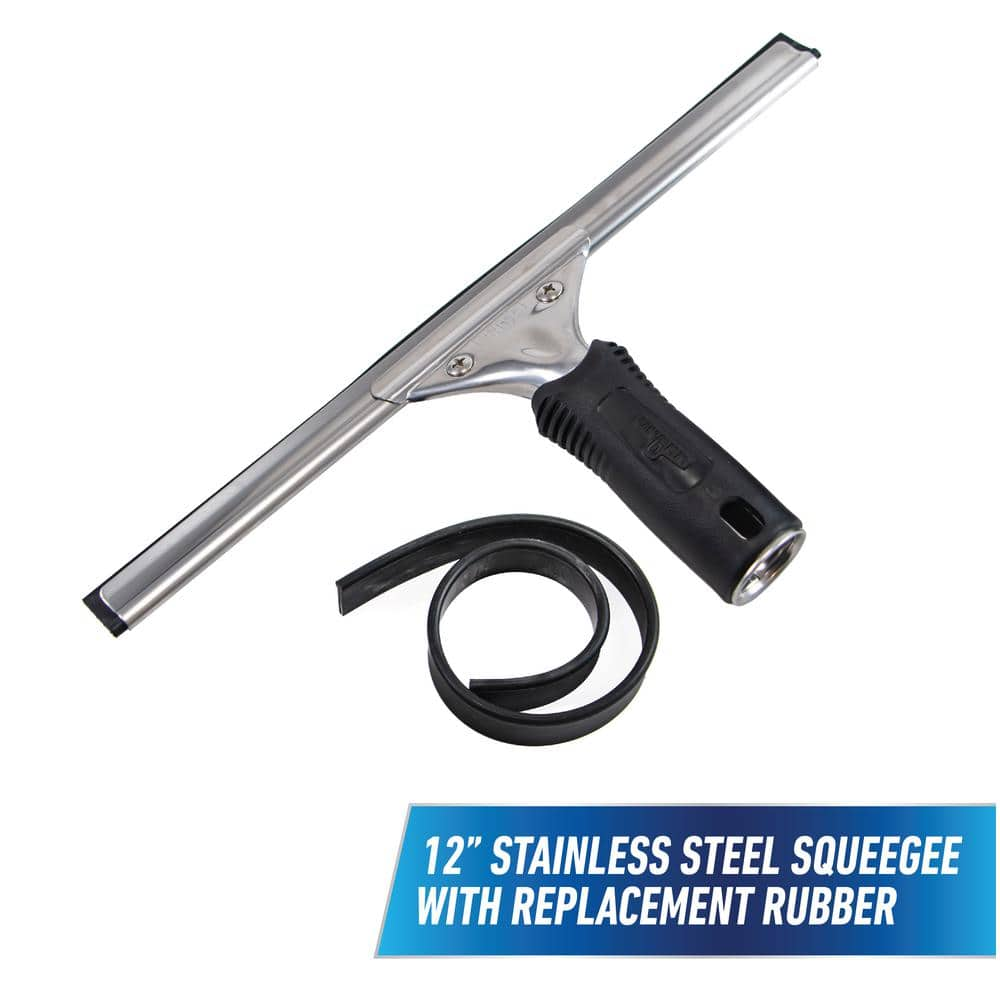
For most household windows, a 10–12 inch squeegee offers the best balance of control and efficiency. Larger blades (12–16 inches) work well for big, unobstructed panes but can feel unwieldy on smaller or multi-sectioned windows. Always make sure the squeegee fits within the window frame dimensions so you can reach the edges without leaving gaps.
The blade must have a sharp, flexible rubber edge. Over time, rubber hardens or develops nicks, which leads to streaks. Replace blades after about 15 hours of use, or immediately if you notice inconsistent wiping or visible lines.
Look for Comfortable, Replaceable Features
Opt for models with ergonomic handles to reduce hand fatigue. Lightweight materials help prevent strain during extended cleaning sessions. Choose squeegees that allow quick blade replacement so you can swap out worn rubber in seconds. Professional models include safety features for telescopic poles, which are useful for high windows.
Prepare Your Tools and Cleaning Solution
Gather Essential Supplies
Using the right tools is half the battle. Here’s what you’ll need:
- Window squeegee with replaceable rubber blade
- Microfiber washer sleeve or hand mop (microfiber traps more dirt than cotton)
- Lint-free microfiber cloths (6–8 recommended for drying and blade wiping)
- Cleaning bucket with sieve tray (keeps grime out of your solution)
- Glass scraper (for stickers, sap, or dried-on residue)
- Soft brush or duster (for cobwebs and dust)
Avoid paper towels and fabric softener-treated rags. They leave lint and reduce absorbency.
Mix the Perfect Cleaning Solution
Best DIY Mix:
Fill your bucket with warm or hot water. Add 1 teaspoon of mild dish soap per gallon. Swirl the mop to create light suds. Too much soap leaves residue and causes streaks.
Eco-Friendly Option:
Use a mix of one part white vinegar to three parts water, plus a few drops of dish soap. The vinegar cuts grease and mineral buildup while the soap helps the solution cling to the glass.
Never Use:
- Aerosol glass cleaners with ammonia (damages seals over time)
- Fabric softener (coats fibers, reduces absorption)
- Harsh detergents (leave heavy film)
If you live in an area with hard water, consider using distilled water to prevent mineral deposit spots on your glass.
Prep the Window and Work Area
Clean in the Right Conditions
Avoid direct sunlight. UV rays dry the cleaning solution too fast, making it impossible to squeegee before it streaks. The ideal time is on a cloudy day, or during early morning or late afternoon when the sun isn’t hitting the windows directly.
If you must clean in the sun, work on shaded sides first and move with the shadow. Keep in mind that overcast days, while preferred, can make it harder to spot drips and streaks while working.
Remove Dust and Debris First
Start dry. Use a soft brush or microfiber duster to remove cobwebs, dust, and loose dirt from the frame, sill, and glass surface. Skipping this step means you’ll smear mud when applying the solution.
Then, wipe the frame with a damp microfiber cloth using a reverse “U” motion. Start at the bottom-left corner, move up along the left side, across the top, and down the right side. This prevents dirty water from dripping onto clean sections.
Clean the tracks and sills thoroughly. Pollen and grime collect here and can blow back onto clean glass later. If screens are removable, take them out and rinse both sides before washing the glass to stop dirt from transferring mid-clean.
Apply the Cleaning Solution

Wet and Scrub the Glass
Dip your microfiber washer sleeve into the solution and wring it slightly. Apply the liquid evenly across the entire pane using overlapping circular motions. Focus on corners and edges where dirt builds up.
Work in sections for large windows, about 2×2 feet at a time. Keep the surface wet to allow smooth squeegee gliding.
Handle Tough Residue with a Scraper
For sticky substances like sap, tape glue, or bird droppings, use a glass scraper:
- Hold at a 30–45° angle
- Use short, downward strokes
- Close or cover the blade when moving back up to avoid scratches
Never use a scraper on tinted or coated windows unless specified as safe by the manufacturer.
Master the Squeegee Stroke
Hold It at a 45° Angle
Proper grip and angle are critical. Hold the squeegee handle firmly in your dominant hand. Tilt the blade so the top edge leads slightly ahead of the bottom. This creates a clean wipe and prevents water trails.
The ideal angle is 45 degrees. Too flat, and water leaks under the blade. Too steep, and you lose contact with the glass.
Apply steady, even pressure. Don’t press hard. Over-pressing dulls the rubber and causes skipping. If water remains, adjust your angle, not your force.
Use the Straight Down Method (Beginner)
Perfect for learning and small windows:
- Start at the top-left corner.
- Pull the squeegee straight down in a smooth motion.
- Lift it off and wipe the blade with a dry microfiber cloth.
- Move right and overlap the next pass by 1–2 inches.
- Continue top to bottom, left to right.
After each stroke, tap the squeegee lightly on the bucket rim or an uncleaned part of the glass to clear water from the channel before wiping the blade. This method is slower but gives you full control and helps build muscle memory.
Try the “S” Technique (Professional)
For speed and seamless results:
- Pull the squeegee upward into the top-left corner at an angle.
- Sweep across to the right side, letting the front edge lead.
- At the corner, move down slightly while rotating the squeegee.
- The back end now becomes the new leading point.
- Sweep back leftward in a continuous “S” or wave pattern.
- Repeat, switching the leading edge at each turn, until you reach the bottom.
This technique keeps the blade in constant contact with the glass, so there’s no lifting or re-wetting. It’s faster and minimizes missed strips. Focus on the leading edge. The rest follows naturally.
Finish with Precision

Dry the Edges and Sill
Even a perfect squeegee pass leaves water in the corners and along the frame. Immediately after finishing, use a dry microfiber cloth to wipe:
- All four edges
- Corners where water pools
- The windowsill and track
This prevents drips, water marks, and potential wood damage from prolonged moisture.
Final Polish and Inspection
Inspect the glass from multiple angles and lighting conditions. Look for streaks, missed spots, or droplets.
For an extra shine, try the newspaper trick. Crumple a sheet and buff the glass in circular motions. The ink acts as a mild polish and helps eliminate fine streaks. Be careful not to transfer ink to white frames or trim.
Touch up any flaws with a dry microfiber cloth. Once dry, reinstall cleaned screens.
Maintain Tools and Avoid Common Mistakes
Keep Blades Sharp and Clean
Replace rubber blades every 15 hours of use or when you notice streaks despite correct technique. Store extra blades in a cool, dry place.
After each use, rinse the squeegee channel and clean the washer sleeve to prevent mold and grime buildup. Wash microfiber cloths in warm water without fabric softener, which clogs fibers and reduces absorbency.
Common Errors to Avoid
- Cleaning in direct sunlight leads to guaranteed streaks. Wait for shade.
- Using too much soap leaves residue. A few drops is all you need.
- Wrong squeegee size causes poor control and missed edges.
- Skipping blade wipes spreads dirty water across clean glass.
- Using paper towels for drying leaves lint and streaks. Stick to microfiber.
Clean Regularly for Best Results
Dust and pollutants build up quickly, making each cleaning harder over time. For most homes, clean windows every 3–6 months to maintain clarity and light intake.
For high, hard-to-reach, or exterior windows, consider hiring a licensed, insured professional once a year. They have the gear and expertise for safe, thorough cleaning that extends the life of your glass and frames.
Frequently Asked Questions About Window Squeegees
What size squeegee is best for home windows?
A 10–12 inch blade is ideal for most household windows. It offers the best balance of control and efficiency. Larger blades work for big, unobstructed panes, but anything too large for the frame will leave missed edges.
How often should I replace the rubber blade?
Replace the rubber blade after approximately 15 hours of use, or sooner if you notice streaks, nicks, or inconsistent wiping despite using the correct technique. Keeping spare blades on hand ensures you’re never caught off guard.
Can I use a squeegee in direct sunlight?
It’s not recommended. Direct sunlight causes the cleaning solution to dry too quickly, which leads to streaks. Clean on a cloudy day or during early morning or late afternoon when the sun isn’t hitting the glass directly.
What cleaning solution works best with a squeegee?
A simple mix of warm water and 1 teaspoon of mild dish soap per gallon works perfectly. For an eco-friendly option, use one part white vinegar to three parts water plus a few drops of soap. Avoid ammonia-based sprays and excessive soap, both of which leave residue.
Why does my squeegee leave streaks even with a new blade?
Streaks usually come from incorrect angle or pressure. Hold the blade at a 45° angle with the top edge leading slightly ahead. Apply steady, even pressure without pressing too hard. Also, make sure to wipe the blade after every pass.
Is newspaper really good for polishing windows?
Yes, for a final buff only. Crumpled newspaper works well because the ink acts as a mild polish that reduces fine streaks. However, avoid using newspaper as your primary drying tool, and be cautious around white frames where ink could transfer.
Key Takeaways for Streak-Free Window Cleaning

Mastering how to use a window squeegee comes down to three essentials: the right tools, the right conditions, and the right technique. Choose a 10–12 inch squeegee with a sharp rubber blade, clean on a cloudy day or in the shade, and hold the blade at a 45° angle with steady pressure.
Start with the straight-down method to build confidence, then graduate to the “S” technique for faster, more seamless results. Always wipe the blade after every pass and dry the edges immediately to prevent water marks.
Your next step: Gather your supplies, pick a cloudy afternoon, and practice on one window using the straight-down method. Once you feel comfortable with the angle and pressure, try the “S” technique on your next pane. Within minutes, you’ll see why professionals swear by this tool.