Streaks, squeaks, and stubborn smears on your windshield can turn a simple drive into a safety hazard. The culprit is often not the glass itself but dirty window wipers caked with road grime, salt, sap, and UV damage. Learning how to clean window wipers the right way is a quick, low-cost maintenance task that restores clear visibility and can double your blades’ lifespan. Most drivers skip this routine, but ten minutes of monthly care prevents premature replacement and protects your windshield from scratches caused by trapped debris.
This guide covers everything you need: safe cleaning agents, proper technique, conditioning tips, troubleshooting fixes, and clear signs it’s time to replace your blades. Follow these steps and your wipers will perform like new for months to come.
Gather Safe Cleaning Supplies
Before touching your wipers, assemble the right materials. Using the wrong chemicals can degrade rubber, cause streaking, or even damage your paint. Stick to proven, safe options.
Approved Cleaning Solutions
Only these liquids should touch your blades:
- Warm soapy water (mild dish soap + warm water) for routine cleaning
- Surgical spirit (isopropyl alcohol) for removing grease and soap residue
- 50/50 vinegar-water mix for softening hardened rubber
- Undiluted windshield washer fluid for quick wipe-downs
Avoid standard WD-40, ammonia-based cleaners, undiluted vinegar, and white spirit. All can damage rubber or leave dangerous streaks.
Essential Tools
You will need:
- Soft microfiber cloths (best for trapping dirt)
- An old toothbrush or soft-bristled brush
- Cotton swabs for tight crevices
- A bucket for soapy water
- Paper towels (use a fresh section for each pass)
Never use abrasive pads or harsh scrubbers. They scratch both rubber and paint.
Lift the Wiper Arms Safely
To access the full blade, gently raise the wiper arms away from the windshield. Most vehicles lock arms upright automatically. If yours do not, support them carefully to prevent snapping back.
Prevent Windshield Damage
Never let the arm drop onto the glass. A sudden fall can crack your windshield. Use one hand to lift and the other to guide. For deeper cleaning, remove the blade entirely by pressing the release tab and sliding it off the arm. If you remove both, mark left and right to ensure correct reinstallation.
Clean the Rubber Squeegee Thoroughly
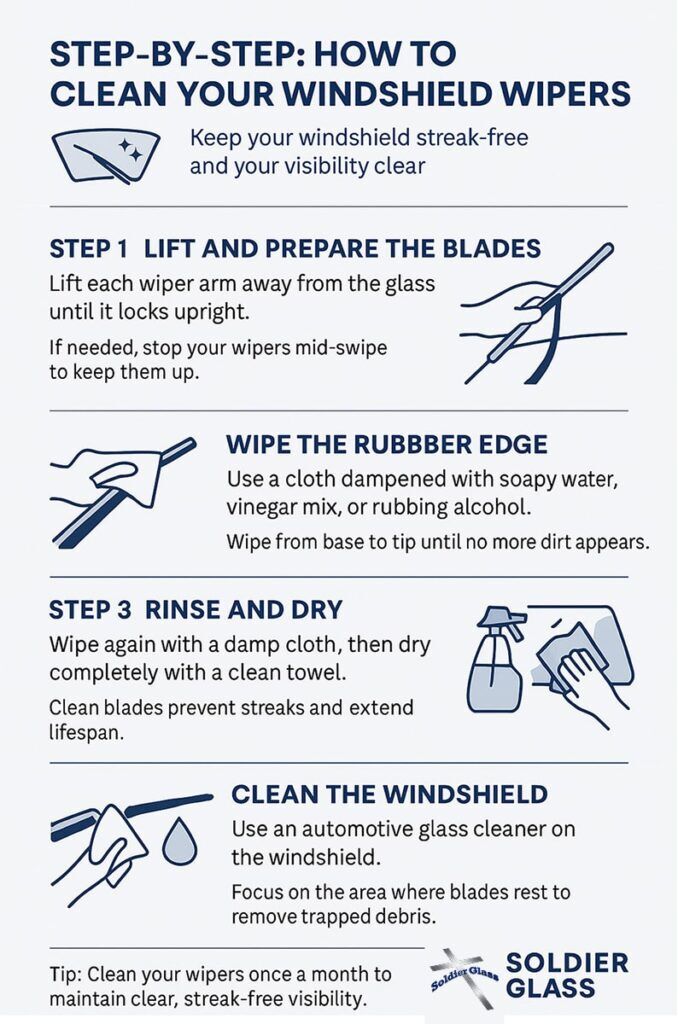
The rubber edge is what contacts the glass, and where most grime builds up. This step is the core of how to clean window wipers effectively.
Wipe With Soapy Water
Dip a microfiber cloth in warm soapy water. Starting at one end, gently wipe the entire rubber edge, moving up and down. Apply light pressure. Pressing too hard can deform or detach the rubber. Replace the cloth or switch to a fresh paper towel section often to avoid redepositing grime.
Scrub Stubborn Residue
For stuck-on debris like bug splatter or tree sap, dip an old toothbrush in soapy water and gently scrub along the edge and into grooves. For extra grip, fold a cloth around the blade and pull it slowly through your fingers. Cotton swabs work well for cleaning under the rubber where it meets the frame.
Clean the Wiper Arms and Joints
Poor wiping performance is not always the blade’s fault. Dirty or stiff wiper arms reduce pressure and cause uneven contact with the glass.
Remove Grime From Metal Parts
Wipe down the entire wiper arm with a soapy cloth. Focus on pivot points and hinge areas. Use the toothbrush to dislodge built-up dirt or corrosion that restricts movement. Clean arms ensure the blade lays flat against the curved windshield.
Lubricate Pivots (Optional)
After cleaning, apply a silicone-based lubricant to the joints. This prevents seizing and ensures smooth motion. Do not use oil-based lubes. They attract dust and degrade rubber over time.
Rinse With Surgical Spirit
This critical final step removes soap, grease, and moisture that cause smearing.
Use Alcohol for the Final Pass
Dampen a clean microfiber cloth with isopropyl alcohol. Wipe the rubber edge and arms thoroughly. The alcohol evaporates quickly, leaves no residue, and helps restore rubber flexibility. Never soak the blade; a damp cloth is enough.
Avoid White Spirit
White spirit is not a substitute. It is less effective and may damage rubber or paint. Stick to isopropyl alcohol only.
Condition Rubber for Longevity
After cleaning, protect the rubber to resist drying, UV damage, and hardening.
Apply Silicone Protectant
Use a silicone-based spray like 303 Aerospace Protectant or WD-40 Silicone Lubricant. Spray lightly onto a cloth, never directly onto the blade, and wipe the rubber evenly. Silicone forms a protective layer that maintains elasticity and repels water.
Can You Use Vaseline?
In a pinch, a tiny amount of petroleum jelly can soften dried rubber, especially on stored or sun-exposed vehicles. However, silicone products are superior and less likely to attract dust. Do not over-apply. Excess oiliness reduces wiping efficiency.
Reinstall and Test the Wipers
If you removed the blades, slide them back onto the arms until they click securely. Gently tug to confirm attachment.
Lower Arms Carefully
Ease the arms back onto the windshield. Avoid dropping them.
Test Wiping Performance
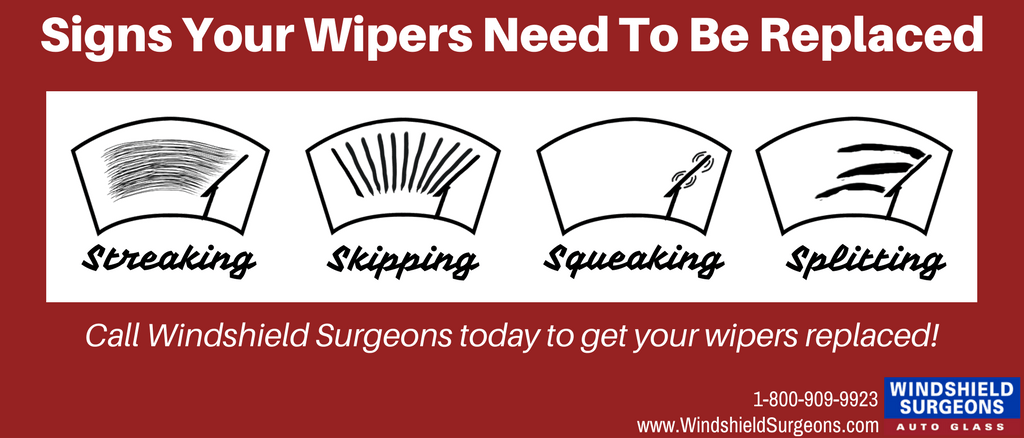
Spray washer fluid and activate the wipers. Watch for streaks, skipping, squeaking, or uneven contact. If issues remain after cleaning, the rubber is likely worn out and needs replacement.
Follow a Smart Cleaning Schedule
How often should you clean window wipers? Use this guideline:
Monthly Maintenance
Clean blades at least once a month, even if no issues appear. Preventive care stops buildup before it affects visibility.
Seasonal Cleaning Tips
- Spring: Remove winter salt, grit, and road film
- Autumn: Clear pollen and prepare for rainy season
- Winter: Clean after snowstorms to remove ice residue
High-Risk Environments
If you drive in dusty areas, coastal zones with salt air, or forested regions with sap and pollen, clean every 2–4 weeks.
Prevent Common Damage Types
Proper care goes beyond cleaning. Protect your wipers from environmental threats.
UV Exposure Protection
Sunlight dries rubber fast. Park in shade or use a windshield cover. Apply silicone protectant monthly during summer to slow degradation.
Winter Precautions
In freezing weather, lift blades off the glass when parked overnight to prevent freezing. Never activate wipers on icy glass. Use an ice scraper first. Do not force stuck blades; thaw with de-icer or warm water. Running wipers over ice can tear the rubber instantly.
Know When to Replace Blades

Cleaning helps, but it cannot fix everything. Recognize when replacement is unavoidable.
Signs Blades Are Worn Out
- Cracks or splits in the rubber edge
- Fraying or curling at the ends
- Gapping in the middle where rubber does not touch glass
- Persistent streaks after cleaning
- Squeaking that will not stop
If the rubber feels hard or brittle, it is time for new blades.
Check Wear Indicators
Some premium blades have built-in wear indicators. These are colored strips that fade when replacement is due. Check them monthly.
Troubleshoot Common Wiper Problems
Fix Streaking Wipers
Cause: Dirt, oil, or worn rubber
Solution: Clean with soapy water followed by an alcohol rinse. If streaks persist, replace the blades.
Stop Squeaking Noise
Cause: Dry rubber or dirty windshield
Solution: Clean blades and glass. Apply silicone conditioner. If noise continues, inspect for uneven pressure or blade warping.
Eliminate Skipping or Chattering
Cause: Hardened rubber or dirty pivots
Solution: Clean joints and condition rubber. If chattering remains, the frame may be bent and the blade needs replacement.
Free Stuck Blades
Cause: Ice or dried sap
Solution: For ice, use de-icer. For sap, apply a vinegar solution to soften, then gently lift the blade. Never yank.
Advanced Tips for Longer Blade Life
Use Vinegar for Hardened Rubber
Mix equal parts white vinegar and water. Wipe onto blades, let sit 30 seconds, then rinse with water and finish with alcohol. This softens aged rubber, but never use full-strength vinegar and avoid paint contact.
Store Spares Properly
Keep unused blades in a cool, dark place. Heat and sunlight degrade rubber before installation.
Skip the Dish Soap Myth
While mild dish soap is safe, avoid heavily degreasing formulas. Stick to gentle, non-abrasive detergents.
Frequently Asked Questions About Cleaning Window Wipers
What is the best homemade cleaner for wiper blades?
A mixture of warm water and mild dish soap works best for routine cleaning. For hardened rubber, a 50/50 vinegar-water solution helps soften the material. Always finish with isopropyl alcohol to remove residue.
Can you use WD-40 on wiper blades?
No. Standard WD-40 is a water displacer that leaves streaks and actually repels water incorrectly, worsening visibility. Only use WD-40 Silicone Lubricant or dedicated silicone-based protectants for conditioning.
How often should you clean wiper blades?
Clean blades at least once a month under normal conditions. Drivers in dusty, coastal, or heavily forested areas should clean every 2–4 weeks. Always clean immediately if you notice streaking or squeaking.
Is vinegar safe for windshield wipers?
Diluted vinegar (50/50 with water) is safe and effective for softening hardened rubber. Never use undiluted vinegar, as it can degrade rubber and damage automotive paint. Always rinse thoroughly after use.
Why do my wipers streak after cleaning?
Streaking after cleaning usually means worn-out rubber. If cleaning with soapy water and an alcohol rinse does not solve the problem, the blade has reached the end of its service life and needs replacement.
Can you clean wipers without lifting them off the glass?
Yes, for light maintenance you can wipe the rubber edge while the blade rests on the windshield. However, lifting the arm provides better access for thorough cleaning and allows you to scrub grooves and pivot points effectively.
Key Takeaways for Maintaining Clean Window Wipers
Knowing how to clean window wipers properly is about more than clear vision. It is a safety essential. With monthly cleaning using mild soapy water, a final rinse with isopropyl alcohol, and seasonal silicone conditioning, you can keep your wipers performing like new and avoid costly windshield scratches. When cleaning no longer restores performance, replace blades promptly. Start your routine this month: grab a microfiber cloth, some dish soap, and spend ten minutes on your wipers. Clear visibility means safer driving every time you turn the key.