You’ve finally installed your window air conditioner, but warm air keeps creeping in from the sides, and your energy bill is climbing faster than expected. Those small openings around your unit waste cool air, invite insects, and reduce overall performance. Learning how to fill gaps in window AC unit installations saves money, improves comfort, and takes less than an hour with the right materials. This guide walks you through practical sealing methods, from rigid foam insulation to budget-friendly cardboard fixes, so you can enjoy a cooler, draft-free room all summer.
Choose Rigid Foam Insulation for the Best Seal
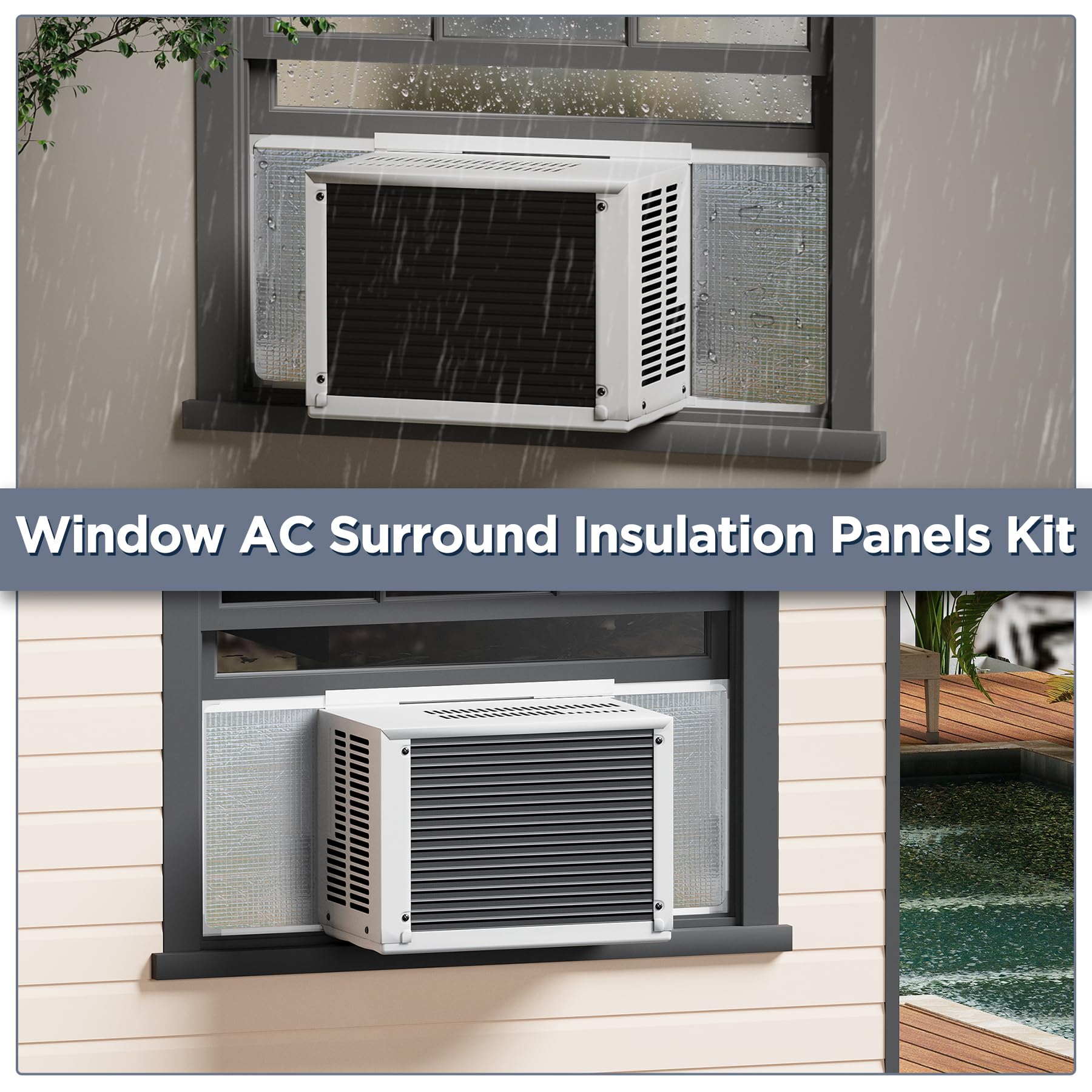
Rigid foam insulation is the most reliable material for sealing gaps around a window AC. It cuts cleanly, weighs almost nothing, and blocks heat transfer far better than fabric or paper alternatives.
Measure and Cut the Foam to Size
Start by measuring the height and width of each gap between the AC chassis and the window frame. Mark these dimensions on a foam sheet, then score and cut with a sharp utility knife or a fine-toothed handsaw. A precise fit matters here because loose edges let air slip through. Take your time on the cuts so the edges stay straight and square.
Hold Foam in Place With Duct Tape
Once the foam pieces fit snugly, secure them with duct tape across the seams. For cleaner removal at the end of the season, run a strip of blue painter’s tape along the window frame first, then tape the foam over that masking layer. This simple trick prevents sticky residue from bonding to your wood or vinyl frame.
Pro Tip: Pick foil-backed foam if your window faces south or west. The foil layer reflects sunlight and resists UV damage far better than plain pink or yellow boards.
Address Common Worries About Foam
Several concerns come up when using foam around cooling units:
- Sun exposure: The outer surface may turn powdery after a full summer, but the core stays solid and functional
- Pets: Most cats ignore foam entirely, though a persistent scratcher might leave marks
- Dust: Rigid foam does not shed particles the way fiberglass does, so it poses no respiratory risk
Painting the foam is optional. Since most installations hide the material behind curtains or side panels, the bright color rarely matters.
Use Cardboard When Foam Is Not Available
Thick cardboard from old appliance boxes offers a surprisingly effective short-term fix. It costs nothing and works well for renters or seasonal cooling needs.
Pick the Right Cardboard Type
Look for double-wall or triple-wall cardboard with a glossy plastic coating, the kind found on refrigerator or washing machine boxes. This material resists moisture and holds its shape better than thin shipping cardboard. Standard brown boxes absorb humidity quickly and may sag within days.
Seal the Edges the Right Way
After trimming the cardboard to fit the gap, press it firmly into the opening. Seal every edge with Tyvek tape or window sealant putty to block airflow. Avoid standard duct tape on bare wood or vinyl, since it can leave permanent stains when exposed to summer heat. Store the cardboard flat over winter, and you can reuse it for several seasons.
Expert Note: Cardboard works best under a window overhang or eave. Skip this method if your unit faces driving rain or strong crosswinds.
Skip Gaffer’s Tape as a Primary Seal
Gaffer’s tape often gets recommended because it removes cleanly, but it performs poorly for sealing AC gaps over the long term.
Why Gaffer’s Tape Falls Short
The adhesive bonds weakly to most surfaces, so air leaks right through the edges. Rain and direct sun break down the tape within a few weeks, forcing frequent reapplication. Reserve gaffer’s tape for temporary tucks or holding small flaps in place, not for sealing entire gaps.
Block Heat Leakage Around the Unit

Even narrow gaps let outdoor heat pour in and force your compressor to work harder. A tight seal can improve cooling efficiency by a noticeable margin.
Inspect Every Leak Point
Walk around the unit and check these common trouble spots:
- Vertical gaps on both sides of the chassis
- The horizontal opening above the unit where the window sash meets the frame
- The bottom edge where the sash rests on the sill
- Corner joints where foam or cardboard pieces meet
Hold your hand near each spot to feel for drafts. Any area where you sense moving air needs another layer of foam or tape.
Layer Materials for Better Insulation
For maximum thermal performance, combine sealing methods. Add foam weatherstripping along the sash edges, install a magnetic insulation film on the indoor glass, and cover the entire window with clear plastic film during cooler months. These layers reduce the workload on your AC and keep room temperatures more stable.
Keep Bugs and Dust Out of the Room

Unsealed gaps around window units create easy entry points for insects, pollen, and outdoor dust. A proper seal protects your indoor air quality.
Target the Most Common Entry Routes
Ants and spiders travel through vertical side gaps, so seal those first with foam strips. Wasps sometimes nest in the open space above the unit, so close that gap completely before the weather warms. Apply putty or foam along the bottom edge to stop dust from settling into the window track.
After sealing, wipe down the window sill and AC housing to remove any debris that piled up during installation.
Quick Fix: Run a thin bead of silicone caulk along indoor seams for a permanent dust barrier. Skip this step if you remove the AC frequently, since caulk requires cutting to take apart.
Lock the Window Sash for Safety

No seal holds up if the window slides down during the night. Securing the sash is the most important safety step in any window AC installation.
Install Brackets or Screws
Mount L-shaped brackets on both sides of the window frame, or drive long screws directly through the lower sash into the vertical frame. Drill pilot holes first to prevent cracking wood or vinyl. Use screws at least 1.5 inches long for a solid grip.
This step prevents the unit from tipping outward, which matters most on upper floors where a fall could cause serious injury or property damage.
Warning: Never depend on the accordion side panels to support the weight of the AC. Those panels only block air, they do not bear structural loads.
Plan for Easy Removal at Season’s End
Most window AC units come out once or twice a year. Choose sealing materials that come apart cleanly so you do not damage the window frame during removal.
Pick Removable Tape Options
- Blue painter’s tape under duct tape prevents sticky residue
- Tyvek tape holds cardboard firmly but peels off without marks
- Avoid permanent adhesives like Gorilla tape or construction glue
Label and Store Reusable Pieces
If you plan to reuse foam or cardboard next summer, mark each piece with its position (top, left, right) using a permanent marker. Store them flat in a dry closet, and inspect for mold or warping before reinstallation. This habit saves both time and money when the next heat wave arrives.
Frequently Asked Questions About Filling Gaps in Window AC Units
What is the best material to fill gaps around a window AC?
Rigid foam insulation is the top choice because it cuts easily, resists moisture, and provides strong thermal insulation. It secures in place with duct tape and removes cleanly when paired with blue painter’s tape underneath.
Can I use cardboard to seal a window AC gap?
Yes, thick plastic-coated cardboard from appliance boxes works well for short-term or seasonal use. Seal the edges with Tyvek tape or putty to block airflow, and avoid standard duct tape on wood or vinyl frames.
Is gaffer’s tape safe for window AC gaps?
Gaffer’s tape leaves minimal residue but forms a weak seal that degrades quickly in sun and rain. Use it only for temporary tucks or small flaps, not as the main sealing material.
How do I keep bugs from entering through window AC gaps?
Seal vertical side gaps first with foam strips, since ants and spiders travel through these openings. Close the top gap completely to prevent wasp nests, and apply putty along the bottom edge to block dust.
Do I need to secure the window sash for safety?
Yes, always secure the lower sash with L-brackets or screws driven into the frame. The AC’s side panels do not support the unit’s weight, so brackets prevent dangerous shifting or falls.
Will sealing gaps improve my AC’s efficiency?
A tight seal reduces hot air infiltration and cool air loss, which lowers compressor runtime and energy use. Proper sealing also keeps indoor air cleaner by blocking dust and pollen entry.
Key Takeaways for Sealing Your Window AC Unit
Filling gaps around your window AC is a small project with big rewards. Rigid foam insulation offers the best combination of thermal performance, ease of installation, and clean removal. Cardboard serves as a reliable backup when foam is unavailable, while gaffer’s tape should stay in the toolbox for other jobs. Always lock the window sash with brackets or screws before relying on any seal, and choose removable tapes to protect your window frame through multiple seasons.
Head to your local hardware store, pick up a foam board and a roll of blue painter’s tape, and spend an afternoon sealing those gaps. Your AC will run quieter, your room will stay cooler, and your next energy bill will reflect the difference.