You finished a fun window paint project for a holiday, party, or kid’s craft session, and now the design is faded, peeling, or simply out of season. The paint that once looked vibrant is now stubbornly bonded to the smooth glass surface. If you are wondering how to remove window paint from glass without scratching the surface or spending hours scrubbing, you are not alone. Most household and craft paints cling tightly to glass once cured, but the right approach makes cleanup fast and safe.
This guide covers proven, step-by-step methods to remove window paint from glass at every stage, from fresh smudges to fully cured layers. You will learn which household products work best, when to use mechanical tools, and what to avoid to protect the glass. From soapy water and rubbing alcohol to heat techniques and commercial removers, we outline safe options for every paint type. By the end, you will have clear, streak-free windows and the know-how to handle future paint projects with cleanup in mind.
Identify the Type of Window Paint on Your Glass
Before reaching for a scraper or spray bottle, figure out what kind of paint you are dealing with. The best removal method depends on whether the paint is water-based, acrylic, tempera, or solvent-based.
Water-Based Window Paints
Most craft and children’s window paints fall into this category. Tempera, acrylic, and many washable window paints dissolve in water when fresh. If the paint is dry but not fully cured, soaking with warm soapy water usually softens it enough for gentle scraping.
Check the original container label or recall the product used. If it claims to be non-toxic, washable, or easy to clean, it is likely water-soluble when fresh.
Solvent-Based and Permanent Window Paints
Some decorative or stained-glass-style window paints are solvent-based or designed to be permanent. These resist water and require stronger products like isopropyl alcohol, acetone, or commercial paint removers. They often have a glossy or rubbery texture and do not dissolve in water.
If water and soap fail, assume the paint is either cured or chemical-resistant. Proceed with caution, since aggressive scraping can scratch glass.
Start With Gentle Cleaning Methods for Window Paint
:max_bytes(150000):strip_icc()/SPR-how-to-get-paint-off-glass-8731698-HERO-c-431acaf0e35a42089fa4daf15a754b07.jpg)
Always begin with the least aggressive method first. You may be surprised how easily some paints come off with basic cleaning supplies.
Warm Soapy Water Soak
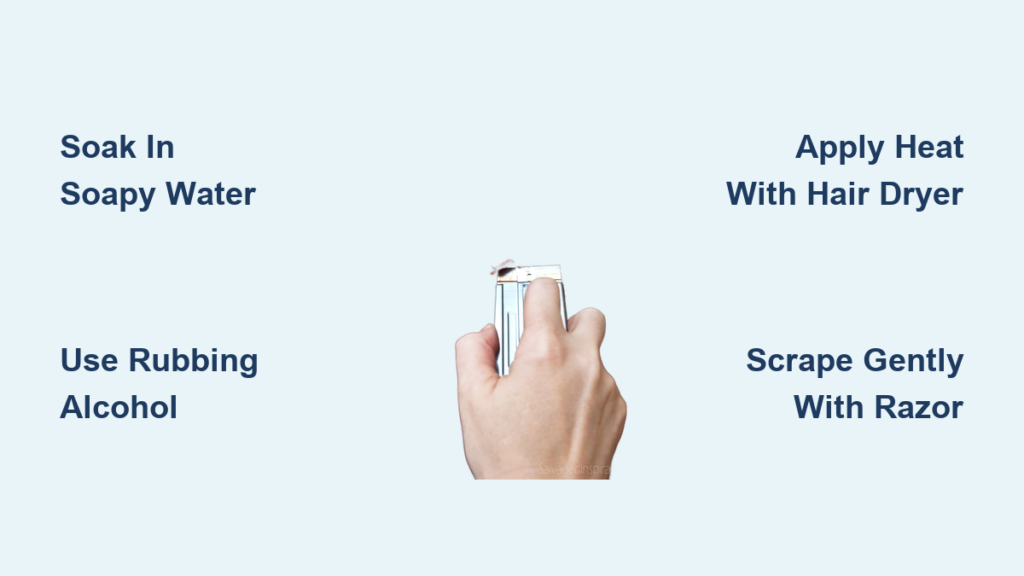
Fill a spray bottle with warm water and a few drops of dish soap. Spray the painted area thoroughly and let it sit for 10 to 15 minutes. This softens the paint and loosens its grip on the glass.
Wipe away softened paint with a soft sponge or microfiber cloth. For larger areas, apply the solution with a cloth and cover it with plastic wrap to prevent drying. Re-wet as needed.
Pro tip: Repeat soaking if the paint is thick. Patience prevents the need for harsh tools.
Use a Razor Blade Safely
If soapy water loosens the paint but does not remove it all, grab a single-edge razor blade or glass scraper.
Hold the blade at a 30 to 45 degree angle to the glass. Use short, overlapping strokes with light pressure. Keep the surface wet with soapy water to lubricate and reduce scratching risk.
Never use a rusty or chipped blade. Replace it if it drags or catches.
Warning: Never use a utility knife freehand. Always use a fixed holder or scraper tool designed for windows.
Apply Household Solvents to Remove Window Paint

When gentle cleaning fails, household solvents can break down stubborn paint without damaging glass.
Rubbing Alcohol for Window Paint
Pour 70% isopropyl alcohol onto a clean cloth or spray directly on the paint. Let it sit for 5 to 10 minutes. The alcohol penetrates and softens many acrylic and craft paints.
Wipe with a cloth or use a plastic scraper. Reapply as needed for thick layers.
Best for: Non-cured acrylics, tempera, and washable window paints.
Avoid on tinted or coated glass, since alcohol can damage some window films.
White Vinegar Solution
Mix equal parts white vinegar and warm water. Spray or apply with a cloth, then cover with a paper towel for 15 to 20 minutes. The acidity helps break down paint residues.
Scrub gently with a non-abrasive pad. Follow with a clean water rinse and dry with a lint-free cloth.
Ideal for: Light paint films and mineral deposits left behind.
Try Commercial Paint Removers for Stubborn Window Paint
For permanent, cured, or multi-layer paint jobs, commercial removers are often the most effective option.
Choose Glass-Safe Paint Removers
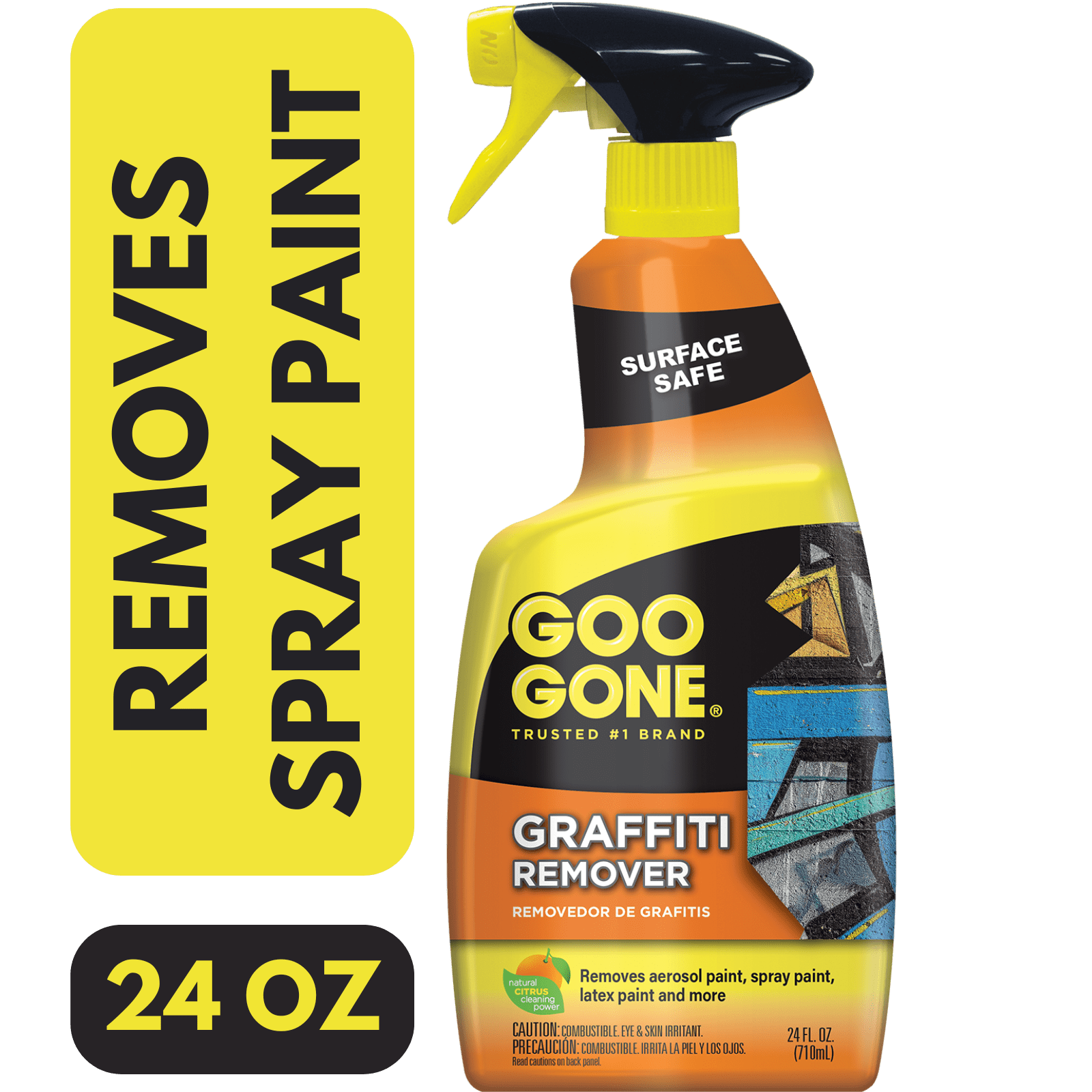
Look for products labeled safe for glass or non-corrosive. Brands like Goo Gone, Krud Kutter, or 3M Adhesive Remover work on paint without etching glass.
Apply according to label instructions. Most require a dwell time of 5 to 15 minutes. Use a cloth or sponge to rub the area, then scrape softened paint.
Always test in a small, hidden area first, especially on double-pane or treated windows.
Peel-Off Paint Removers
Gel-based removers like Citristrip or Dumond Smart Strip form a thick coating that clings to vertical surfaces. Apply with a brush, wait 30 to 60 minutes, then peel or scrape off.
These are ideal for large painted areas and minimize solvent runoff.
Note: Ventilate the area well and wear gloves and eye protection during use.
Use Heat to Soften Window Paint From Glass
Heat softens many paint types, making them easier to scrape off without solvents.
Heat With a Hair Dryer
Set a hair dryer to high heat and hold it 2 to 3 inches from the glass. Move constantly to avoid thermal shock.
As the paint softens and bubbles, gently scrape with a plastic or metal scraper. Keep the glass wet with soapy water to reduce friction.
Works best on: Thin to medium layers of acrylic or craft paint.
Avoid on double-pane windows, since excessive heat can crack seals or fog the panel.
Use a Steam Cleaner
A handheld garment steamer or window steam cleaner delivers moist heat that loosens paint quickly. Hold the nozzle close and let steam penetrate the paint for 30 to 60 seconds.
Wipe or scrape immediately. Steam reduces the need for chemicals and is eco-friendly.
Caution: Keep electrical devices away from pooled water. Do not use on cracked or damaged glass.
Prevent Scratches When Removing Window Paint From Glass
Glass is durable but can scratch or crack under improper technique. Take these precautions to protect the surface.
Avoid Abrasive Tools
Never use steel wool, scouring pads, or harsh brushes. These leave fine scratches that scatter light and trap dirt.
Stick to plastic scrapers, microfiber cloths, and non-abrasive sponges.
Use Proper Scraper Technique
Always keep the scraper blade sharp and wet the surface before scraping. A dry blade grinds paint into the glass and increases scratch risk.
Replace dull blades immediately. Angle the scraper correctly, since a steep angle increases pressure on the edge.
Test Chemicals First
Some solvents, especially acetone or paint thinners, can damage window seals, frames, or tinting.
Apply a small amount to an inconspicuous edge and wait 5 minutes. If no discoloration or damage occurs, proceed cautiously.
Clean and Polish the Glass After Paint Removal

After paint removal, residue or haze may remain. Final cleaning restores full clarity.
Remove Solvent or Soap Residue
Wash the window with clean water and a soft cloth. Use a squeegee for large panes to prevent streaks.
Rinse thoroughly, since leftover cleaner can attract dust.
Polish for Streak-Free Shine
Use a glass cleaner or mix one part white vinegar with four parts water. Spray and wipe with a lint-free cloth or crumpled newspaper.
Buff dry for maximum clarity.
Pro tip: Work in indirect sunlight, since direct light makes streaks harder to see.
Prevent Future Window Paint Buildup
Make future cleanup easier by planning ahead before your next paint project.
Use Removable Window Films
Instead of painting directly on glass, apply static-cling window film. You can draw or paint on the film, then peel it off when done.
These films are available at craft and hardware stores.
Choose Washable Paints
Opt for paints labeled temporary or easy wipe-off. Test a small area first to confirm removability.
Let paint dry completely before removing, since some washable paints bond permanently if left too long.
Seal Designs (Optional)
If you want semi-permanent designs, apply a removable sealant. This protects the paint but still allows removal with solvents later.
Avoid permanent sealers unless you intend to keep the design long-term.
Frequently Asked Questions About Removing Window Paint From Glass
Can I Use Acetone to Remove Window Paint From Glass?
Acetone can dissolve many paint types and is generally safe on bare glass. However, it can damage window seals, tinting, and nearby plastic or painted frames. Always test a small hidden area first and avoid using acetone on coated or treated glass.
How Long Does Window Paint Take to Cure?
Most water-based window paints cure within 24 to 72 hours, depending on humidity and thickness. Fully cured paint resists water and requires solvents, heat, or scraping for removal. Fresh paint within the first day usually wipes off with soapy water.
Will a Razor Blade Scratch Glass When Removing Paint?
A sharp, clean razor blade used at the correct angle will not scratch glass. Keep the surface wet with soapy water and use light pressure. Replace the blade as soon as it dulls or drags, since a damaged blade is the main cause of scratches.
Does Vinegar Really Remove Window Paint?
White vinegar helps break down light paint films and residue, especially when combined with warm water and a soak. It works best on fresh or thin paint layers. For thick or cured paint, pair vinegar with a scraper or stronger solvent.
Is Goo Gone Safe for Removing Window Paint From Glass?
Goo Gone is formulated to remove adhesives and some paints without damaging glass. Apply it for 5 to 10 minutes, then wipe or scrape away softened paint. Always test on a small area first and rinse the glass thoroughly afterward.
What Is the Easiest Way to Remove Window Paint From Glass?
The easiest method is to soak the paint with warm soapy water for 10 to 15 minutes, then scrape gently with a plastic scraper or razor blade. For stubborn spots, follow up with rubbing alcohol or a glass-safe commercial remover. Patience and wet surfaces prevent scratches.
Key Takeaways for Removing Window Paint From Glass
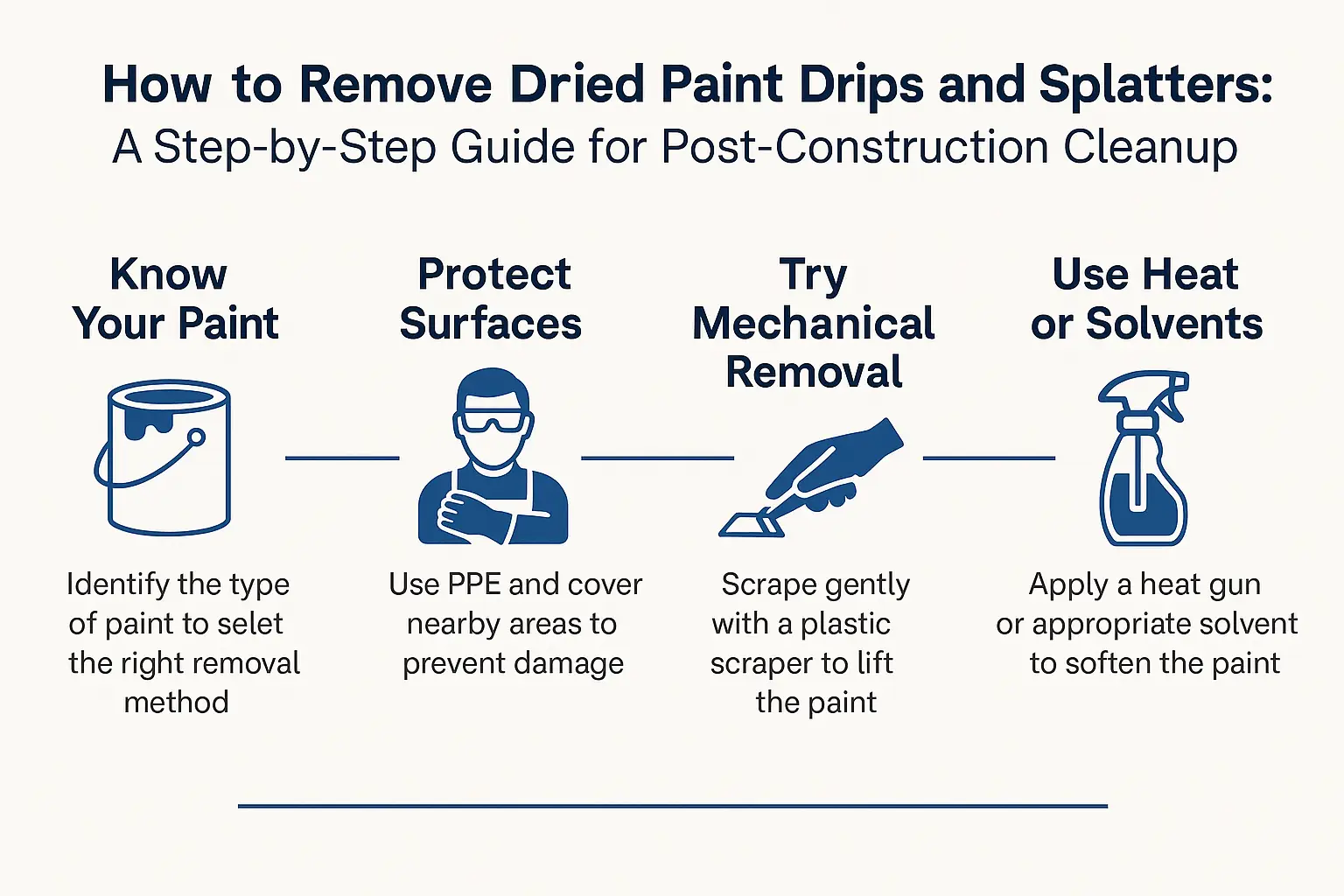
Removing window paint from glass works best when you match the method to the paint type and condition. Start with the gentlest approach, like warm soapy water, and progress to solvents or heat only when needed. Always use sharp, clean blades, keep the surface wet, and test chemicals on a hidden area first.
For your next project, consider removable window films or washable paints to make cleanup effortless. With the right tools and a little patience, you can restore clear, streak-free glass without damage. Grab your supplies and start with the gentlest method today for the safest results.