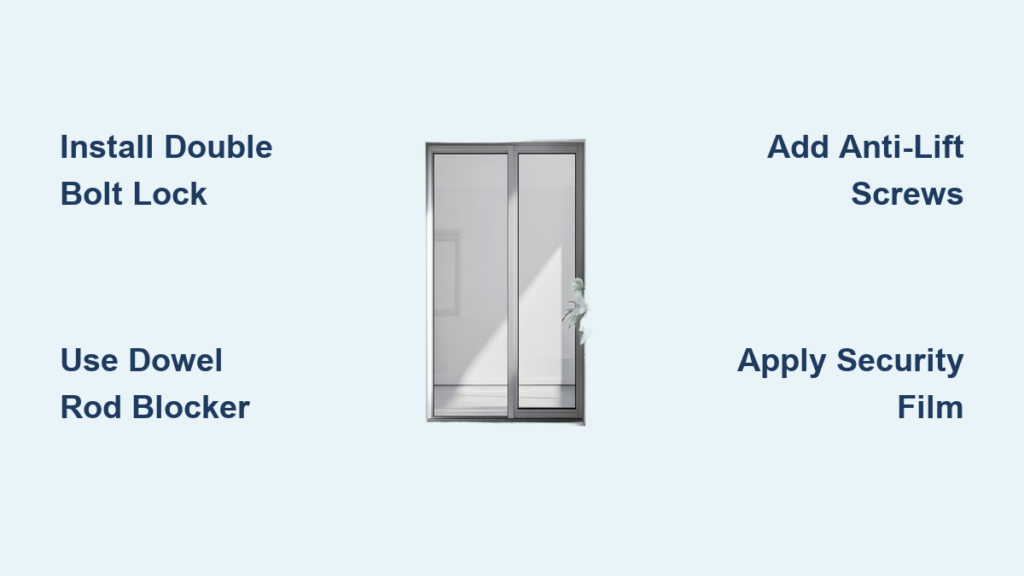
Sliding glass doors are a favorite feature in modern homes, offering panoramic views, natural light, and seamless access to patios or backyards. But their beauty comes at a cost: they are one of the most vulnerable entry points for burglars. With weak factory latches, easy lift-out access, and fragile glass, a standard sliding door can be breached in seconds. The good news? You do not need to replace it to make it secure. This guide reveals proven, actionable methods, from $5 DIY fixes to smart tech upgrades, that stop intruders in their tracks.
Whether you are a homeowner or renter, you will learn how to lock down your sliding glass door using layered defenses that deter, delay, and detect break-in attempts without sacrificing style or convenience.
Upgrade Your Locking Mechanism

A weak factory latch is the number one reason sliding doors get popped open. Most come with basic flip locks that barely extend into the frame, easily defeated with a credit card or screwdriver. Upgrading your lock is the fastest way to boost security.
Install a Double Bolt Lock
Double bolt locks, also called multi-point locks, engage two metal bolts, one at the top and one at the bottom, into the door frame when locked. This dual anchor system prevents door flex and makes forced entry extremely difficult.
How it works involves turning a key or lever to extend both bolts simultaneously. The security benefit is significant: it resists jacking, prying, and lateral pressure. The Lockey S4000, priced at $30 to $50, is a top choice featuring keyless mechanical design and tamper-resistant construction. Installation requires drilling holes into the top and bottom frame, making this ideal for homeowners.
Pair your double bolt lock with a secure handle to block latch manipulation.
Replace Weak Factory Handles
Many sliding doors use flimsy, surface-mounted handles that can be pried open or disengaged with a strong magnet. Yes, real burglars do this.
Upgrade to reinforced, key-operated handles with hardened steel. Look for anti-magnetic internal components, tamper-proof screws, and full latch extension of at least one-half inch. This stops magnet popping and physical prying.
Use a Foot-Bolt Floor Lock
Foot-bolt locks require you to step down on a lever, driving a steel bolt into the floor or threshold. These are among the strongest mechanical locks available.
The security level is high, nearly impossible to bypass without tools. The drawback is that it requires drilling into flooring, so it is not renter-friendly. This is best for permanent installations in high-risk areas.
Block the Track to Prevent Sliding
Even with a good lock, a sliding door can be forced open if nothing stops it from moving in the track. Track blockers physically stop lateral movement.
Insert a Dowel Rod in the Track
This $5 fix is simple but effective: cut a hardwood dowel to fit snugly in the bottom track behind the closed door.
When the door is closed, the dowel blocks it from sliding open. Use one-inch hardwood dowel or one-by-one pine. Sand the rod slightly for a tight, friction-fit that requires firm pressure to insert or remove. This does not stop door lifting, so combine with other locks.
Do not use soft wood because it can splinter under force.
Install a Security Bar (Charley Bar)
Security bars, also called Charley bars, are steel or aluminum rods that lock into place across the track.
Two types exist. Pressure-mounted bars use tension and require no drilling, making them renter-friendly. Screw-mounted bars are permanent installations into wall or floor. The Master Lock 265DCCSEN, priced at $25 to $40, is a top pick with dual-function design. When properly positioned, security bars block both sliding and lifting.
Install when the door is fully closed, ensuring zero wiggle room.
Use a Sliding Door Clamp
Adjustable clamps tighten across the track, pinching the door in place.
These are best for temporary reinforcement or emergency use. The advantage is that they can be loosened quickly during fire evacuations. Check compatibility because some models do not fit wide or recessed tracks.
Stop Door Lifting with Anti-Lift Devices
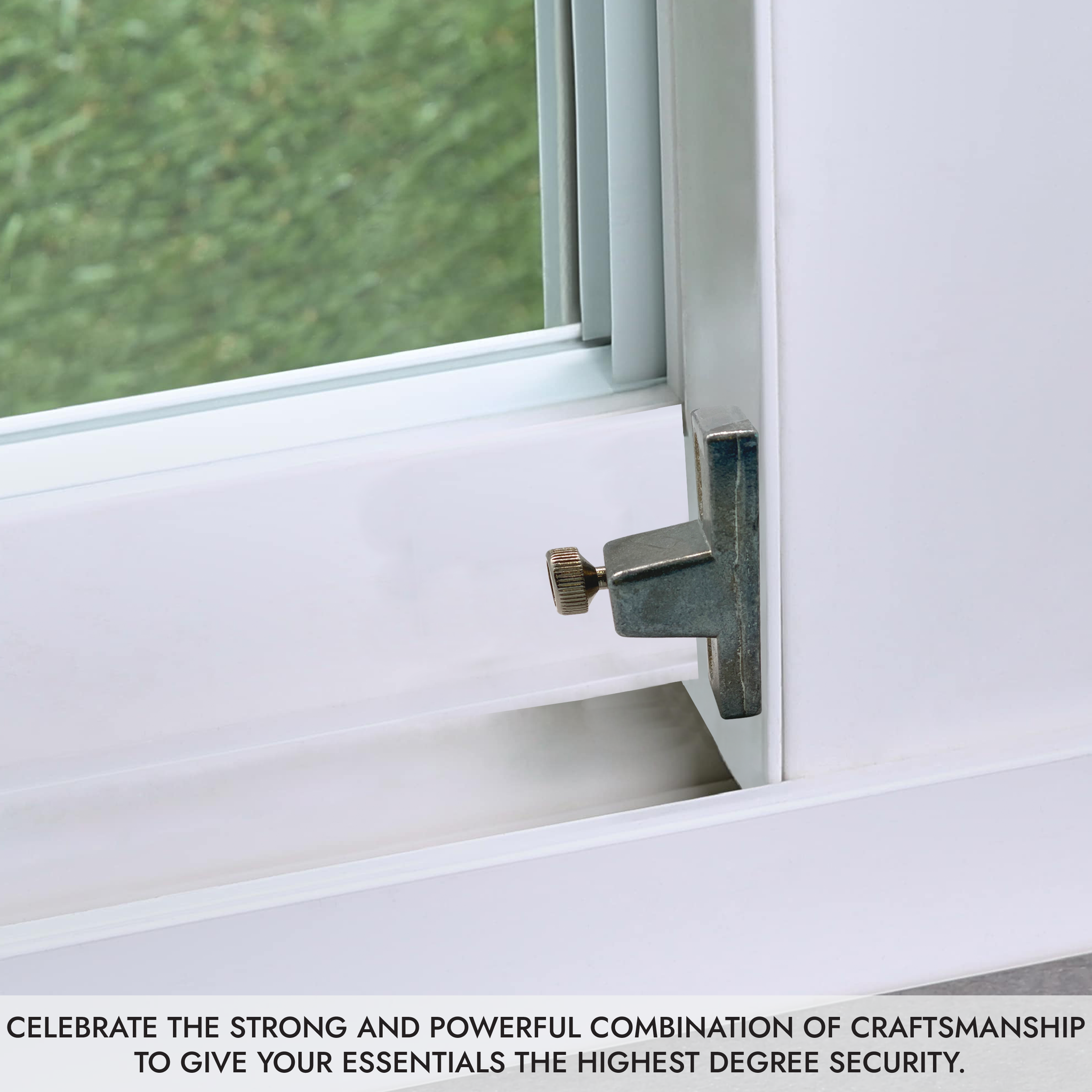
Burglars often lift the sliding panel out of its track using a pry bar. Anti-lift devices eliminate this vulnerability.
Add Anti-Lift Screws
Drill one-inch construction screws into the top track, just behind where the door sits when closed.
The screw head contacts the door edge, preventing upward movement. Use a drill and position screws so the door touches them when closed. This does not stop sliding, so it must be paired with a track blocker or lock.
Use stainless steel screws to prevent rust.
Install Anti-Lift Pins or Brackets
These small metal devices limit vertical play without affecting normal operation.
The design features low-profile pins or brackets mounted on the top frame. The benefit is that they are invisible when installed and easy to retrofit. The security gain eliminates lift-out risk on most standard doors.
Reinforce the Glass to Prevent Break-Ins
Glass breakage is a common smash-and-grab tactic. A burglar breaks the glass, reaches in, unlocks the door, and enters, often in under 30 seconds.
Apply Security Window Film
Transparent adhesive film holds glass together even when shattered.
Three types exist. Shatter-resistant film provides standard protection. One-sided film is opaque from outside but clear from inside, adding privacy. Static-cling film is removable and allows renters to peel it off cleanly. This delays entry by three to five minutes, enough time for alarms to trigger. The 3M Safety & Security Film, priced at $50 to $150 per roll, is a top brand. Clean the glass, apply with soapy water, squeegee, and trim edges for DIY installation.
Field reports show it withstands multiple hammer strikes.
Upgrade to Laminated Glass
For maximum protection, replace standard glass with laminated or impact-resistant glass.
The construction features two glass layers bonded with a plastic interlayer. The benefits include resisting shattering, meeting hurricane codes, and lasting 10 or more years. The cost ranges from $800 to $2,000 or more per door and requires professional installation. This is best for new installations or full door replacements.
Add Electronic Security Sensors
Even the strongest physical lock fails if no one knows it has been breached. Electronic sensors detect tampering and alert you instantly.
Install Door Contact Sensors
These magnetic sensors trigger an alarm when the door opens.
One part goes on the door and one on the frame. Separation triggers the alert. They work with Ring, SimpliSafe, ADT, and other systems. Adhesive-backed sensors, like those from SimpliSafe, cost $20 to $30 and are renter-friendly. Battery lasts one to three years.
Test monthly by opening and closing the door to verify the alert.
Use a Glass-Break Detector
This detects the sound frequency of shattering glass, around five kHz, and triggers an alarm.
Two types exist. Acoustic-only models may false-trigger on loud noises. Dual-tech models combine acoustic and vibration sensing for more accuracy, like Honeywell models priced at $40 to $70. Place within 15 to 20 feet of the door. Response time is less than 0.5 seconds.
Visible sensors make homes less attractive targets, according to former burglars.
Add a Vibration Alarm
Standalone devices emit a 120-decibel or louder siren when tampering is detected.
Mount with suction cup, tape, or adhesive. Power comes from AAA batteries. This is best as a secondary alert and is great for renters. The loud noise scares off intruders.
Use Visual and Psychological Deterrents
Burglars look for easy targets. Visible security measures make your home less appealing, often enough to stop a break-in before it starts.
Display Security Stickers and Signs
Place yard signs and window stickers indicating your home is protected by alarms or cameras.
This is proven to deter opportunistic criminals. Only use this if you have real sensors because fake signs lose credibility.
Apply One-Sided Privacy Film
This film appears mirrored or opaque from outside but clear from inside.
The benefits include preventing observation of valuables, maintaining natural light, and adding shatter resistance. This is ideal for urban homes and ground-floor doors.
Keep Blinds or Shutters Closed
Simple but effective: close vertical blinds or shutters when away.
This stops burglars from seeing routines, electronics, or occupancy. Alternatively, use automated smart blinds on a timer.
Renter-Friendly Security Solutions
If you cannot drill holes or make permanent changes, these non-destructive upgrades still provide real protection.
Pressure-Mounted Security Bar
Friction-based bars lock into the track using tension with no screws required.
The Master Lock 265DCCSEN is a top pick. It installs and removes in seconds. Security level is high as long as the fit is snug.
Removable Window Film
Static-cling or low-adhesion security film peels off cleanly.
This is best for renters in apartments or condos. One roll covers four to six doors using a trusted brand.
Adhesive Door Sensors
Wireless sensors with strong peel-and-stick backing work without tools.
Examples include SimpliSafe and Ring Alarm Contact Sensors. Simply stick and pair with the app.
Portable Vibration Alarm
Attach via suction cup or tape to the door or nearby wall.
A 120-decibel siren deters intruders. Battery-powered means easy to move or remove.
Build a Layered Defense Strategy
No single solution is foolproof. Maximum security comes from layering physical, electronic, and behavioral defenses.
Tier 1: Physical Locking
Install a double bolt lock, security bar or dowel rod, and anti-lift screws.
Tier 2: Glass Protection
Apply shatter-resistant window film, one-sided privacy film, and optionally upgrade to laminated glass.
Tier 3: Electronic Monitoring
Add a door contact sensor, dual-tech glass-break detector, and security camera.
Tier 4: Deterrence
Use security stickers, motion-sensor lighting, visible cameras, and simulated occupancy with timers or smart lights.
Even if glass is broken, alarms and braces still delay entry, giving time for police or neighbors to respond.
Maintain and Test Your Security System
A locked door is only secure if it works when needed. Regular maintenance ensures reliability.
Monthly Checks
Inspect lock alignment and tightness, clean tracks and rollers, verify security bar fit, and test anti-lift screws.
Quarterly Tests
Trigger the door sensor to verify the alarm goes off, simulate glass break to check detector response, and check camera angles and recordings.
Annual Upkeep
Reapply window film if peeling, lubricate tracks with silicone spray, and replace sensor batteries.
Window film lasts five to ten years, sensors last one to three years, and security bars last one to five years.
Key Takeaways for Securing Your Sliding Glass Door
You do not need a fortress to stop burglars. You just need to be harder to break into than the house next door. Sliding glass doors are vulnerable by design, but with the right upgrades, they can become one of your home is most secure entry points.
Start today with these three steps. First, install a security bar or dowel rod for under $20. Second, add a door contact sensor, which is renter-friendly and under $30. Third, apply shatter-resistant film with DIY installation under $100.
Combine physical locks, electronic alerts, and visual deterrents to create a multi-layered defense that stops latch bypass, door lifting, and glass breaking. Whether you own or rent, these proven strategies reduce break-in risk, increase peace of mind, and protect what matters most.
Frequently Asked Questions About Securing Sliding Glass Doors
Are sliding glass doors safe?
Sliding glass doors can be safe, but only when properly secured. Factory locks are insufficient. Upgrading with secondary locks, bars, sensors, and reinforced glass makes them significantly safer.
Can I reinforce an old sliding door?
Yes. Most security upgrades, such as security bars, films, sensors, and locks, can be retrofitted to older units without replacement.
How much does it cost to add a lock to a sliding door?
Costs range from $10 to $200, depending on type and installation. DIY options start at $10, while professional installations go up to $200.
Do security grilles affect home aesthetics?
Modern designs are available in sleek, decorative styles. Custom finishes and retractable options minimize visual impact.
Where should I place a security bar?
Place the security bar in the bottom track, positioned to block the moving panel when fully closed. Ensure a snug fit.
Can burglars lift a sliding door off its track?
Yes, if anti-lift devices are not installed. Use anti-lift pins, screws, or brackets to prevent this method of entry.