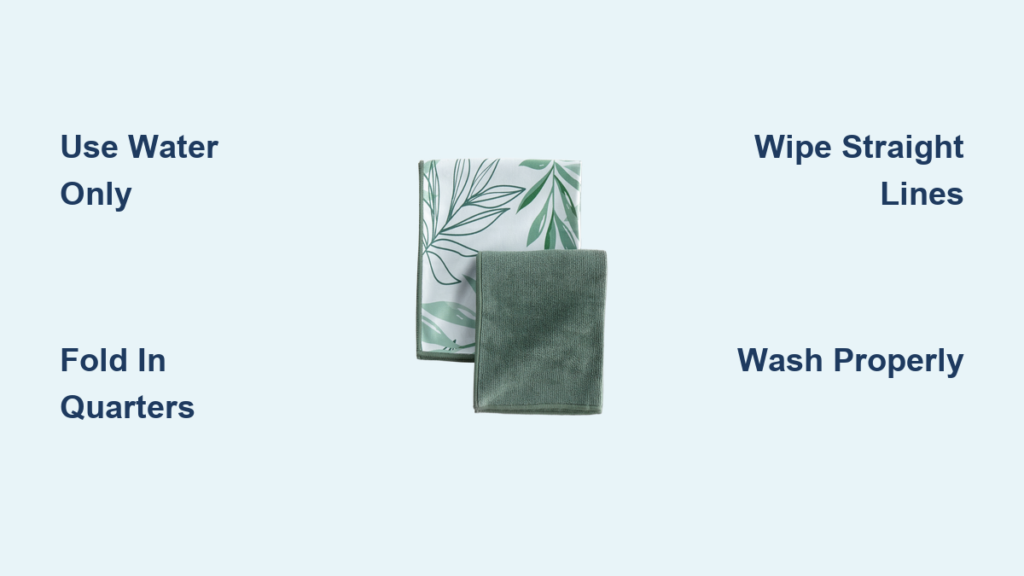
Nothing ruins the look of a clean home quite like streaky windows. If you have ever wiped glass with paper towels and chemical sprays only to see smudges and swirling marks from across the room, you are not alone. The Norwex Window Cloth changes that by delivering a streak-free shine using only water. This reusable microfiber cloth lifts dirt and moisture without chemicals, making window cleaning faster, healthier, and surprisingly satisfying.
In this guide, you will learn exactly how to use Norwex window cloth for sparkling results on glass, mirrors, stainless steel, and more. You will also get tips for folding, troubleshooting streaks, and keeping your cloth in top condition.
Choose the Right Cleaning Method

The key to success with the Norwex Window Cloth is selecting the correct method based on how dirty the surface is. Using the wrong approach leads to streaks or watermarks. There are two proven techniques: one for deep cleaning and one for quick maintenance.
Deep Clean for Dirty Windows
Use this method when windows are grimy, have built-up residue, or show persistent streaks from past chemical cleaners. Skipping this step can cause the polishing cloth to smear dirt instead of removing it.
- Wash First with an EnviroCloth
Dampen a Norwex EnviroCloth with water and wring it out well. The cloth should be damp but not dripping. Wipe the entire surface to lift dust, grease, and old cleaner residue. - Polish Immediately with Dry Window Cloth
Without letting the surface dry on its own, take the dry Norwex Window Cloth and buff the glass in straight lines. This removes all moisture and leaves a brilliant, streak-free finish.
Pro Tip: Always do the wash step first if you are unsure. It takes 30 seconds and prevents streaks caused by trying to polish through grime.
Light Clean for Daily Maintenance
For lightly dusty or smudged surfaces, use this fast method that requires only water and your folded window cloth.
- Mist Surface Lightly
Fill a spray bottle with cool or lukewarm water. Lightly mist the glass. One or two sprays per window pane is usually enough.
❗ Never soak the surface. Too much water overwhelms the microfiber and causes watermarks. - Fold Cloth Properly
Fold the cloth in half lengthwise, then fold again to make a small, thick square. This gives better control and prevents bunching during use. - Wipe with Straight Strokes
Start at the top and work down using vertical or horizontal strokes. Avoid circular motions because they create visible swirls. - Check Edges and Corners
Use the folded edge of the cloth to clean around the frame. Re-fold the cloth to expose a dry section if needed.
Fold for Maximum Control
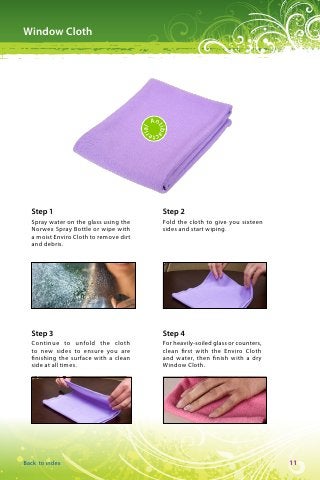
How you hold the cloth makes a big difference in performance. Folding it correctly ensures even pressure and full microfiber contact.
Quarter-Fold Technique
- Lay the cloth flat.
- Fold it in half lengthwise.
- Fold it in half again, creating a compact square with four layers.
✅ Benefits:
– Prevents slipping and bunching
– Increases durability by rotating clean sections
– Provides firm edge for corner cleaning
Expert Note: Replace the cloth mid-clean if one side becomes too wet. Flip or refold to use a dry quadrant.
Clean the Right Surfaces
The Norwex Window Cloth is designed for smooth, non-porous materials. Using it on the wrong surface can reduce effectiveness or damage the fabric.
Approved Surfaces
- Windows and Mirrors – Primary use; delivers crystal-clear results
- TV and Computer Screens – Safe for flat panels when used with light moisture
- Stainless Steel Appliances – Removes fingerprints and smudges without scratching
- Chrome Fixtures – Polishes faucets, showerheads, and door handles
- Granite Countertops – Use for final polish after cleaning, not for deep scrubbing
- Microwave Fronts – Clears splatters and greasy film
- Crystal – Polishes delicate glassware without scratching
Avoid These Surfaces
- Rough or abrasive materials like brick or unfinished wood
- Oily stovetops, since grease clogs fibers
- Floors or walls, where a dedicated Norwex mop or EnviroCloth works better
Prevent and Fix Streaks
Even with the best tools, streaks can happen, but they are almost always due to technique, not the cloth itself.
Why Streaks Appear
| Cause | Solution |
|---|---|
| Too much water | Mist lightly; wring cloth well |
| Circular wiping | Use straight up/down or left/right strokes |
| Old chemical residue | Pre-wash with EnviroCloth before polishing |
| Dirty or lint-covered cloth | Wash properly using care instructions below |
Fix Streaks Immediately
If you see streaks after buffing:
1. Stop polishing.
2. Mist the area lightly again.
3. Use a fresh, dry section of the cloth or a second clean Window Cloth.
4. Wipe with firm, straight strokes.
Quick Check: View the surface from an angle. Streaks often appear only when light hits the glass sideways.
Use the Window Cloth Mitt

For easier handling, Norwex offers a mitt version of the Window Cloth. This option is ideal for certain users or large jobs.
Who Should Use the Mitt?
- People with arthritis or hand pain
- Children learning to clean
- Anyone cleaning large windows or glass doors
Advantages Over Flat Cloth
- Slides over the hand with no gripping required
- Covers more surface area per swipe
- Reduces wrist fatigue on big jobs
- Still folds into quarters for edge work
Pro Tip: Pair the mitt with a telescoping pole for high windows or skylights to skip the ladder entirely.
Wash to Restore Performance
A dirty or improperly washed Window Cloth will not grab moisture or polish effectively. Follow these steps to keep it working like new.
Machine Wash Instructions
- Use a Mesh Bag (Optional but Helpful)
Keeps the cloth secure and reduces pilling. - Detergent: Less Is More
Use less than 0.25 cups (59 mL) of mild detergent. Norwex Ultra Power Plus laundry detergent is the preferred choice. Too much leaves residue. - Wash in Cold Water
Select a cool or cold cycle. Hot water can damage microfibers over time. - No Bleach or Fabric Softener
❌ Bleach weakens fibers.
❌ Softener coats them, killing absorbency.
✅ White vinegar can be used as a natural softener substitute if desired. - Wash With Low-Lint Items
Towels or sheets are fine. Avoid cotton t-shirts or fleece, which leave lint behind.
Drying Best Practices
- Dry on Low to Medium Heat
High heat can melt microfibers. - Add Norwex Dryer Balls
They fluff fibers and reduce static without chemicals. - Air Dry When Possible
Hang using the built-in loop, drape over an oven door, or rest across a kitchen chair. Great between uses.
Warning: Never dry clean or iron the cloth.
Hand Wash Option
If you do not have access to a washing machine:
- Run the cloth under cool water to saturate.
- Fold in half lengthwise and rub the two halves together vigorously for 30 seconds.
- Add a tiny drop of dish soap during rubbing for extra cleaning power (optional).
- Rinse thoroughly until water runs clear.
- Wring hard and hang to air-dry overnight.
Extend Cloth Lifespan
With proper care, your Norwex Window Cloth can last for years. Follow these habits to get the most out of it.
Do’s and Don’ts
| Do ✅ | Don’t ❌ |
|---|---|
| Rinse after heavy use | Use bleach or softener |
| Wash after 3–5 uses | Dry with linty clothes |
| Fold before each use | Store damp (mildew risk) |
| Use only water for cleaning | Apply chemical cleaners directly |
Storage Tip: Hang the dry cloth by its loop in a clean, dry place, like a hook inside a cabinet door.
Troubleshoot Common Issues
Even experienced users run into problems. Here is how to fix them fast.
Cloth Leaves Watermarks
Cause: Excess moisture on cloth or surface.
Fix: Use fewer sprays, wring the cloth better, or switch to the deep clean method with a pre-wash.
Cloth Feels Less Absorbent
Cause: Detergent or softener buildup.
Fix: Rewash with no detergent and add ½ cup white vinegar to the rinse cycle. Vinegar strips residue without coating fibers.
Lint Sticks to Cloth
Cause: Dried with cotton items or old towels.
Fix: Rewash alone or with low-lint fabrics. Use dryer balls to reduce static cling.
Maximize Cleaning Efficiency
Once you have mastered the basics, use these pro techniques to clean faster and better.
Work Top to Bottom
Always start at the top of the window and move down. This prevents drips from re-soiling areas you have already polished.
Two-Cloth System
Keep two Window Cloths on hand:
– One dry for polishing
– One slightly damp (rinsed and wrung) for tough spots
Swap as needed to maintain streak-free results.
Clean Screens Year-Round
Use the same method on:
– TV and monitor screens (light mist only)
– Glass tabletops
– Shower doors (prevents soap scum buildup)
Bonus: The cloth works great on eyeglasses and camera lenses with minimal moisture.
Frequently Asked Questions About the Norwex Window Cloth
Can I use the Norwex Window Cloth with chemical cleaners?
No. The cloth is designed to work with water only. Chemical cleaners can coat the microfibers and reduce their ability to trap dirt and moisture, which defeats the purpose of the tool.
Why does my Window Cloth leave streaks even after polishing?
Streaks usually mean there is too much moisture on the cloth or surface, or old chemical residue is still on the glass. Wring the cloth more thoroughly, use fewer sprays, or switch to the deep clean method by pre-washing with a damp EnviroCloth before polishing.
How often should I wash my Norwex Window Cloth?
Wash it after every 3 to 5 uses, or sooner if it stops polishing effectively. Always wash with less than 0.25 cups of mild detergent in cool or cold water, and skip bleach and fabric softener.
Is the Window Cloth Mitt as effective as the flat cloth?
Yes. The mitt performs the same polishing function and covers more surface area per swipe. It is especially helpful for people with arthritis, children, or anyone tackling large windows and glass doors.
Can I dry the Window Cloth in the dryer?
Yes, but use low to medium heat only. High heat can melt the microfibers. Dry only with low-lint items like towels or sheets, and consider adding Norwex dryer balls to fluff the fibers without chemicals.
What surfaces should I avoid cleaning with the Window Cloth?
Avoid rough or abrasive materials like brick and unfinished wood, as well as oily stovetops where grease will clog the fibers. Use a dedicated mop or EnviroCloth for floors and walls instead.
Key Takeaways for Using Your Norwex Window Cloth
The Norwex Window Cloth delivers a streak-free shine using only water, but technique matters. Choose the deep clean method for grimy or residue-heavy surfaces, and the light mist method for routine maintenance. Always fold the cloth into quarters, wipe in straight strokes, and avoid circular motions that cause swirls.
Proper care keeps your cloth performing like new for years. Wash in cool water with minimal detergent, skip bleach and fabric softener, and dry on low heat with low-lint items. With these habits in place, you will clean faster, reduce waste, and enjoy crystal-clear glass every time.
Next step: Grab your Norwex Window Cloth, pick a window, and try the light mist method today. Once you see the streak-free results, you will never go back to paper towels and chemical sprays.