Your car plunges into a lake. Doors refuse to open. Water starts creeping up your ankles. In that terrifying moment, a small tool clipped to your visor could be the only thing standing between you and tragedy. Learning how to use a window breaker correctly transforms you from a helpless passenger into someone prepared to act. These compact devices are engineered to shatter tempered glass with minimal force, creating a life-saving exit when every second counts. This guide covers tool selection, target identification, proper technique, and practice methods so you can respond with confidence when chaos strikes.
Choose the Right Window Breaker
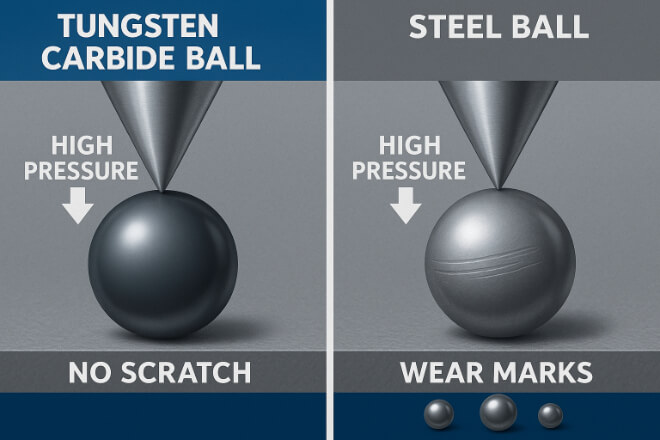
Tungsten Carbide Tips Are Non-Negotiable
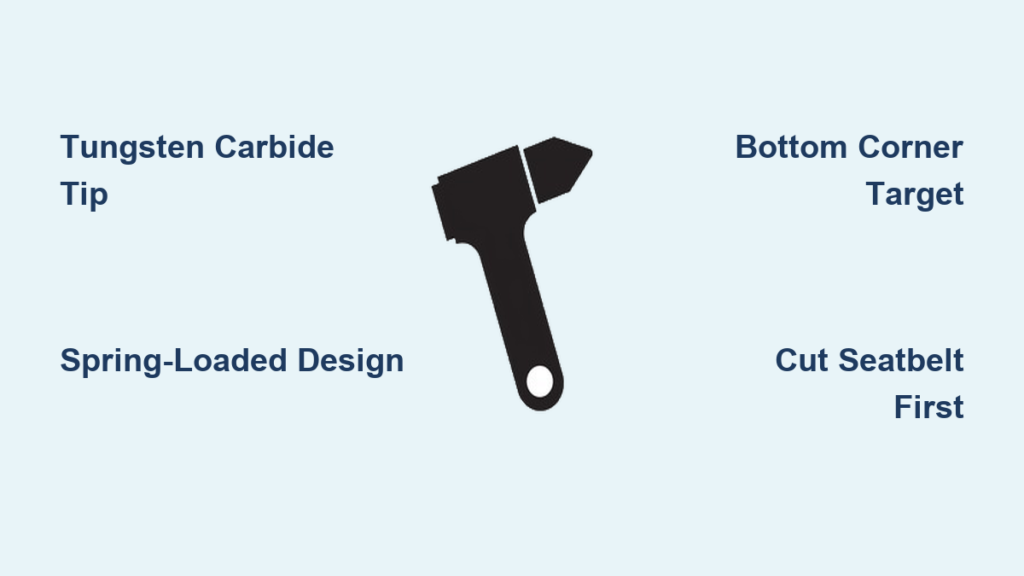
The single most important feature of any window breaker is its tip material. Tungsten carbide, rated at 68–71 HRC on the Rockwell Hardness Scale, is significantly harder than steel and capable of piercing tempered glass with minimal force. This extreme hardness allows the tip to breach the glass’s surface tension instantly, triggering complete shattering. Cheaper steel-tipped or plastic-handled tools often fail under stress, with some models snapping at the handle upon first impact. Always verify that your tool specifies tungsten carbide construction. This isn’t a luxury feature; it’s a reliability requirement.
Spring-Loaded vs Hammer-Style Designs
Two primary mechanical designs dominate the market: spring-loaded and hammer-style tools. Spring-loaded models, like the resqme®, require only firm pressure against the glass to activate an internal spring that drives the spike forward. They work in tight spaces, underwater, and without a swinging motion, making them ideal for panicked or confined scenarios. Hammer-style tools rely on manual swinging force, which becomes ineffective underwater due to drag and difficult if you’re pinned or disoriented. While cheaper, hammer-style tools demand space and strength, reducing real-world reliability.
Integrated Seatbelt Cutters Add Critical Value
Many top-tier window breakers include a shielded seatbelt cutter, typically a small hooked blade protected by a sliding cover. This dual-function design allows you to free yourself from restraints before exiting. To use it effectively, cut the belt at a 45-degree angle for clean, fast separation. Practice deploying the blade quickly, even blindfolded, so you can do it instinctively during low-visibility emergencies like smoke or darkness.
Identify the Correct Window to Break

Never Target the Windshield
The windshield is made of laminated glass, composed of two layers bonded with a plastic interlayer (PVB). This design prevents shattering and maintains structural integrity during crashes, but also makes it nearly impossible to break with standard tools. Striking it with a window breaker may cause cracks, but the glass will stay intact, wasting precious seconds. Do not attempt escape through the windshield unless absolutely no other option exists, and even then, expect extreme difficulty.
Target Side or Rear Windows Only
Escape through side or rear windows, which are made of tempered glass. This type of glass is heat-treated for strength but designed to fail completely when its surface tension is breached. Once struck correctly, it collapses into small, relatively harmless granules. These windows are your best and only realistic exit route during entrapment. Always confirm the window type before acting. Never assume all car glass behaves the same way.
Aim for the Bottom Corner
The weakest point of any tempered window is its corner or edge, not the center. The structural frame provides less support at these points, requiring far less force to initiate breakage. Aim specifically for the bottom corner of the window, where gravity helps clear falling debris outward. On buses or trains, look for a red dot or sticker indicating the approved breakage zone. Striking the center often fails because the glass distributes impact energy more efficiently across its surface.
Deploy the Window Breaker Correctly
Prepare Before Impact
Before activating the breaker, ensure you’re unrestrained. Use the integrated seatbelt cutter first if needed. Position yourself as close to the window as possible, bracing your body if the vehicle is moving or unstable. If time allows, protect your eyes and hands with gloves or clothing. Though tempered glass breaks safely, flying particles can still cause injury.
Match Your Technique to Your Tool Type
For Spring-Loaded Tools
Place the tip flush against the bottom corner of the glass. Apply steady, firm pressure straight into the window until you hear a distinct click, which indicates the spring has fired. Do not tap or jerk. Sustained pressure ensures full activation. The spike strikes automatically, so no swing is needed. These tools excel underwater and in tight cabins.
For Hammer-Style Tools
Grip the handle firmly and strike the bottom corner with maximum force. Deliver a sharp, perpendicular blow. Angling reduces energy transfer. Because water resists motion, hammer-style tools lose up to 90% of their effectiveness underwater and should be avoided in flood or submersion scenarios.
For Gunpowder-Driven Models
These high-force tools use a .22 blank cartridge to drive the striker. Simply press the tip against the glass and pull the trigger. They offer the highest success rate on tough glass but require cartridge replacement after use and may face legal restrictions in some areas.
Clear the Exit and Escape Safely
Remove Remaining Glass Fragments
Even after successful shattering, sharp edges may remain along the window frame. Use gloves, a jacket, or the tool handle to sweep away any lingering shards. Avoid touching the sill directly with bare hands to prevent cuts during exit.
Exit Head-First Through the Opening
Once the window is fully broken, climb out head-first, leading with your shoulders. Keep your limbs aware of the metal frame to avoid scrapes. If others are present, assist children or pets first, guiding them through the same opening. Move quickly but deliberately. Rushing increases injury risk.
Underwater Escape Requires Timing
If the car is submerged, breaking the window early, before full cabin flooding, is easier due to air pressure differential. However, spring-loaded tools work even at depth. Wait until water reaches chin level to equalize pressure, then break the glass and swim out immediately. Holding your breath and staying calm is critical.
Practice and Maintain Your Tool
Test Without Destroying Glass
You can verify a spring-loaded tool’s function without breaking a window. Press the tip firmly into a thick notepad or stack of paper. A successful test produces a click sound and a visible puncture. Repeat this monthly to ensure the mechanism hasn’t degraded from dust, corrosion, or age.
Drill Seatbelt Cutting Blindfolded
In real emergencies, visibility may be zero due to smoke, water, or darkness. Practice removing the blade cover and slicing a seatbelt with your eyes closed. This builds muscle memory and ensures you can act under panic conditions.
Inspect for Wear and Corrosion
Store the tool in a dry place, ideally clipped to the sun visor, keychain, or headrest. Check periodically for:
- Rust on the tip or spring
- Loose parts or cracked housing
- Dullness on the seatbelt cutter
Replace the tool immediately if any component appears compromised.
Replace After Use or Expiration
Even if the tool works once, its mechanism may be weakened. Replace hammer-style tools after deployment due to potential internal damage. For gunpowder models, replace the spent cartridge. Most reputable brands offer limited lifetime warranties covering mechanical failure, but not post-use reliability.
Understand Legal and Safety Limits
Breaking Glass Is Illegal Without Just Cause
Using a window breaker on someone else’s vehicle without an immediate life-threatening emergency is illegal. Examples of justified use include:
- A child or pet trapped in a hot car
- Someone unconscious inside a smoke-filled vehicle
- A car partially submerged with occupants unable to exit
In non-emergency situations, always call emergency services first. Unauthorized property damage can lead to criminal charges and civil liability.
Airbags and Secondary Hazards
Be aware that airbags may deploy during or after impact, especially if sensors detect movement near the door or window. Ensure no one is in the path of an inflating bag before breaking glass. Also, avoid creating sparks near fuel leaks. Though rare, ignition risk exists in post-crash environments.
Frequently Asked Questions About Window Breakers
Can a window breaker shatter a car windshield?
No. Windshields are made of laminated glass with a plastic interlayer that prevents shattering. Standard window breakers are designed only for tempered glass found in side and rear windows. Attempting to break a windshield will likely waste critical time.
Do window breakers work underwater?
Spring-loaded and gunpowder-driven window breakers work effectively underwater because they don’t require a swinging motion. Hammer-style tools lose up to 90% of their effectiveness due to water resistance against the swing.
Where should I store my window breaker?
Store it within arm’s reach in a consistent location. Common options include clipped to the sun visor, attached to the keychain, hung from the rearview mirror, or mounted on the headrest. Avoid the glove box, which becomes inaccessible if the vehicle is inverted or submerged.
How often should I replace my window breaker?
Replace hammer-style tools immediately after use due to potential internal damage. For spring-loaded models, replace them if the monthly paper test fails to produce a click and visible puncture. Gunpowder models require cartridge replacement after each deployment.
Is it legal to break a car window to save a child or pet?
Yes. Breaking a vehicle window is legally justified during immediate life-threatening emergencies, including children or pets trapped in dangerous heat conditions. In non-emergency situations, contact emergency services first to avoid potential criminal charges or civil liability.
What is the best material for a window breaker tip?
Tungsten carbide is the superior tip material, rated at 68–71 HRC on the Rockwell Hardness Scale. It penetrates tempered glass surface tension with minimal force. Avoid cheap steel-tipped or plastic-handled tools, which often fail under stress.
Key Takeaways for Mastering Window Breaker Use

Your ability to use a window breaker effectively depends more on preparation than strength. Choose a tungsten carbide, spring-loaded model with an integrated seatbelt cutter, and store it within arm’s reach at all times. Practice the paper test monthly and rehearse blindfolded seatbelt cutting to build muscle memory for panic conditions. Remember the critical sequence: cut the belt first, target the bottom corner of a side window, apply firm pressure until you hear the click, then exit head-first. In an emergency, seconds count, and your survival depends on what you do before the crisis ever hits. Equip your vehicle today and practice until the motions become instinct.